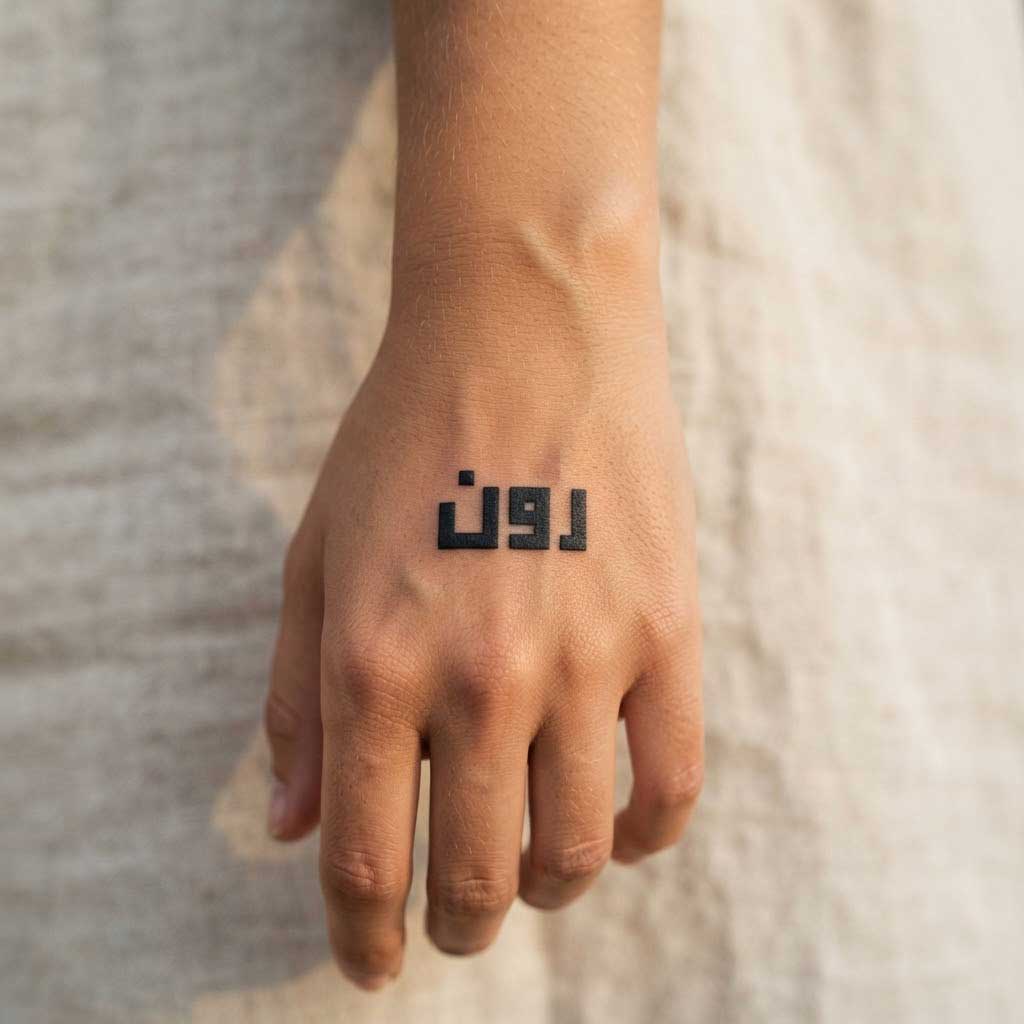
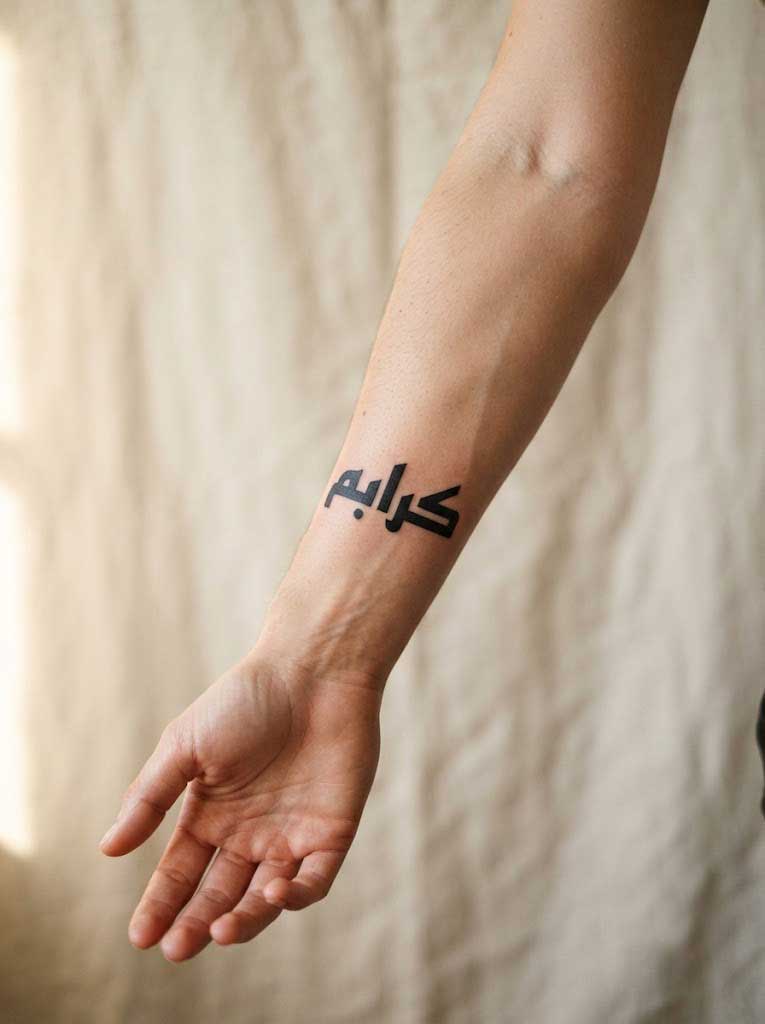
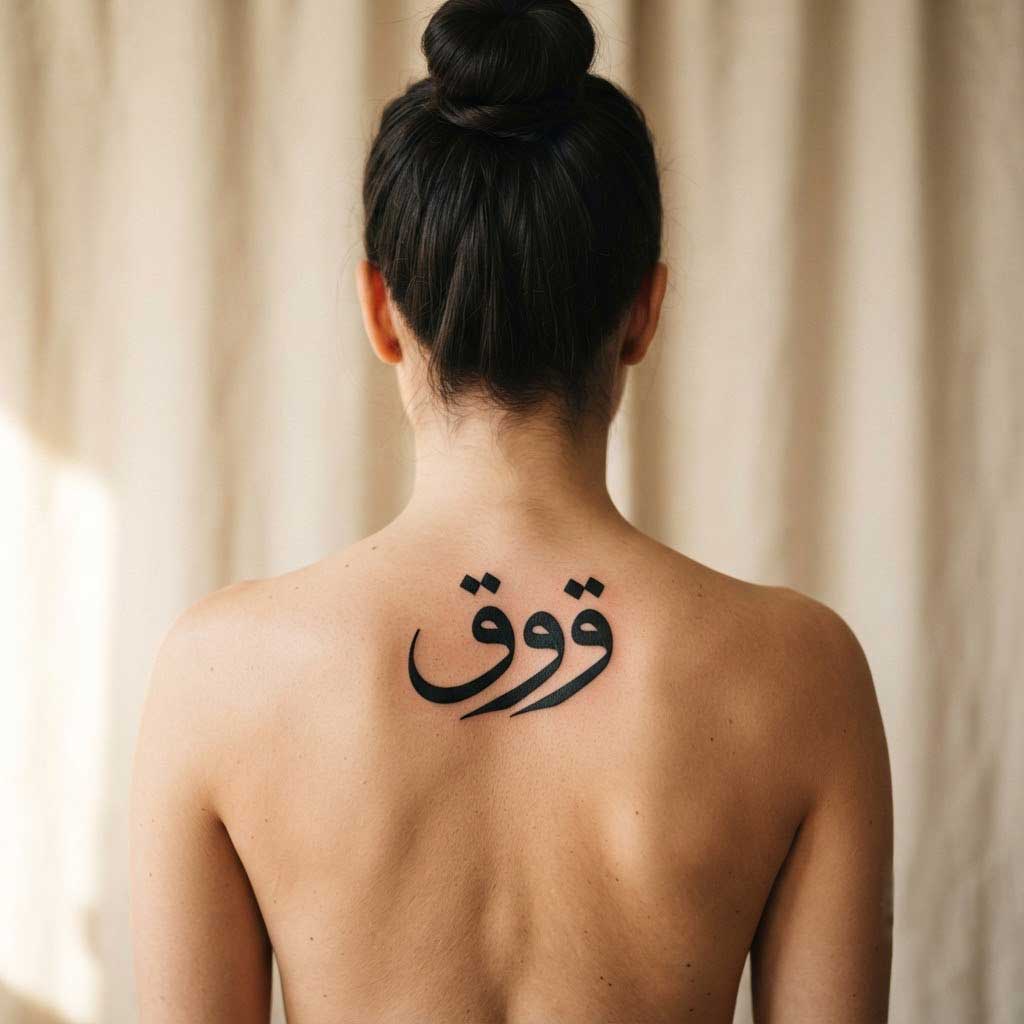
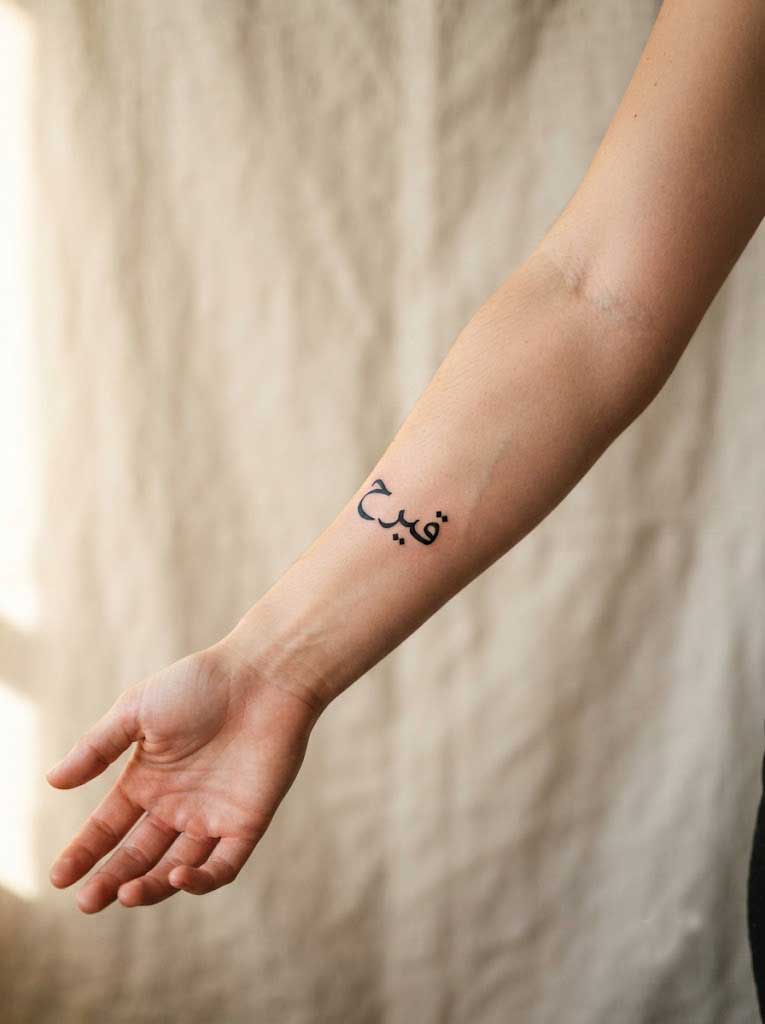
Best Arabic Words for Love Tattoos
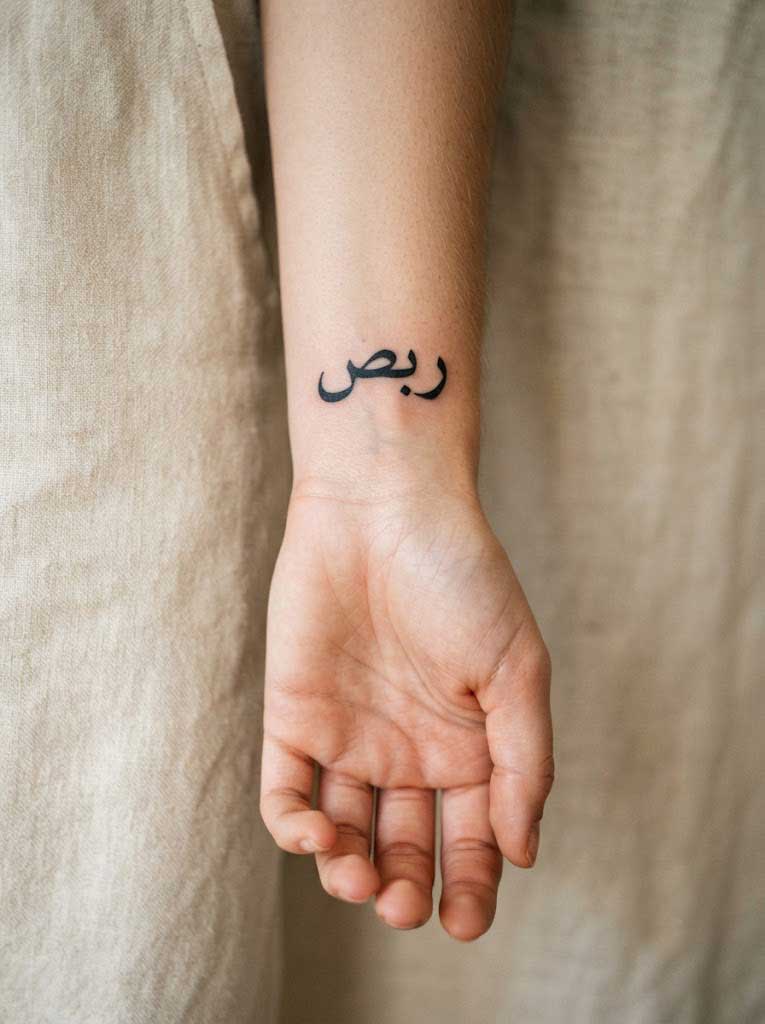
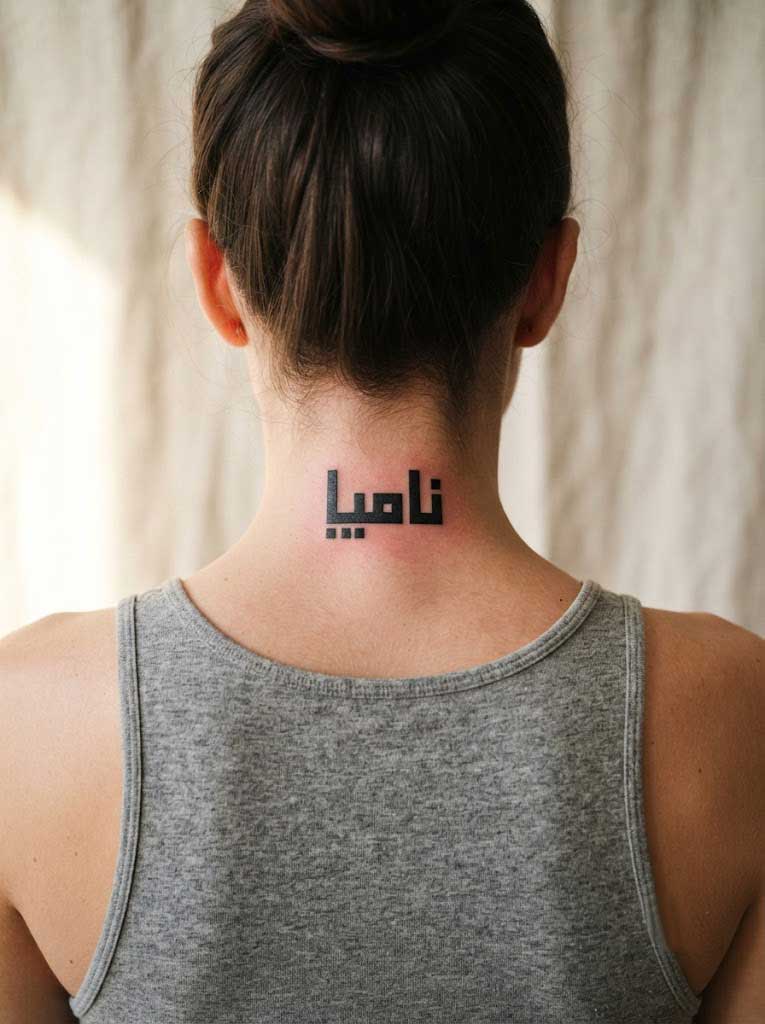
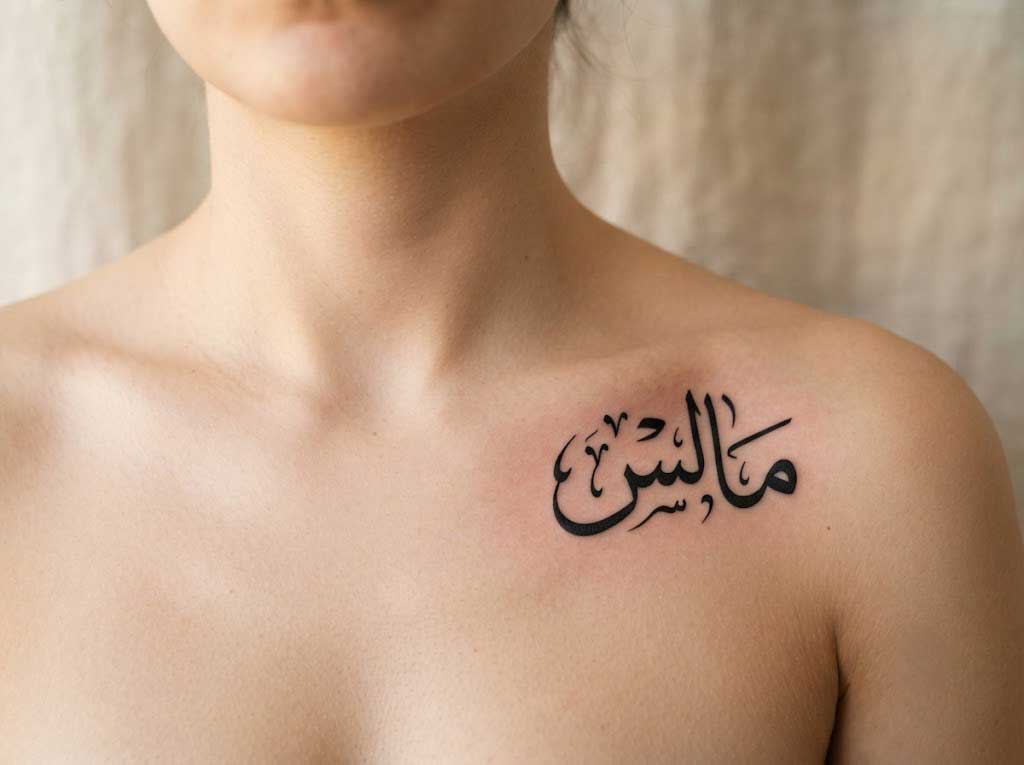
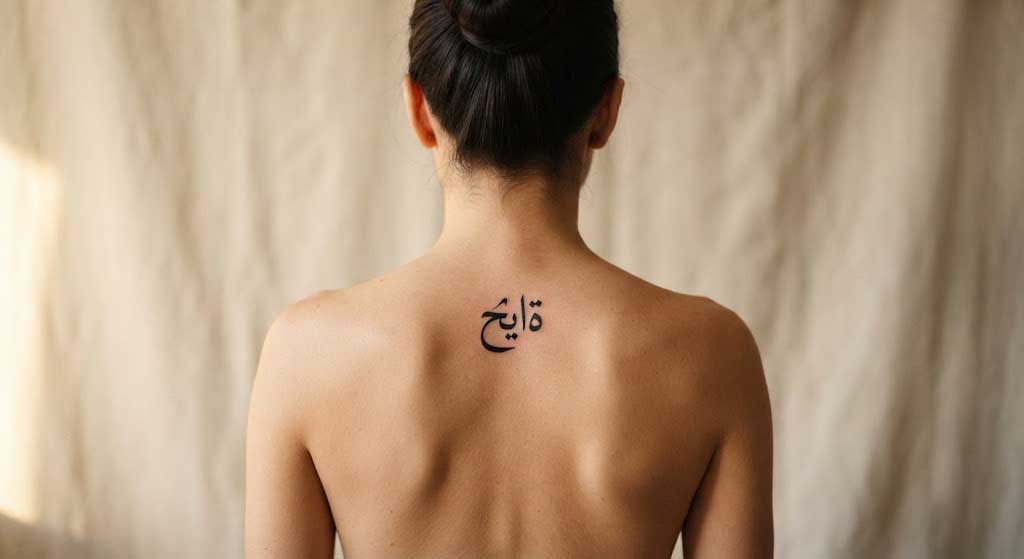
Arabic has more distinct words for love than almost any other language — different words for tender love, passionate love, obsessive love, and platonic love. Choosing the right one is the first decision. Every word below is native-speaker verified with correct Arabic Unicode.
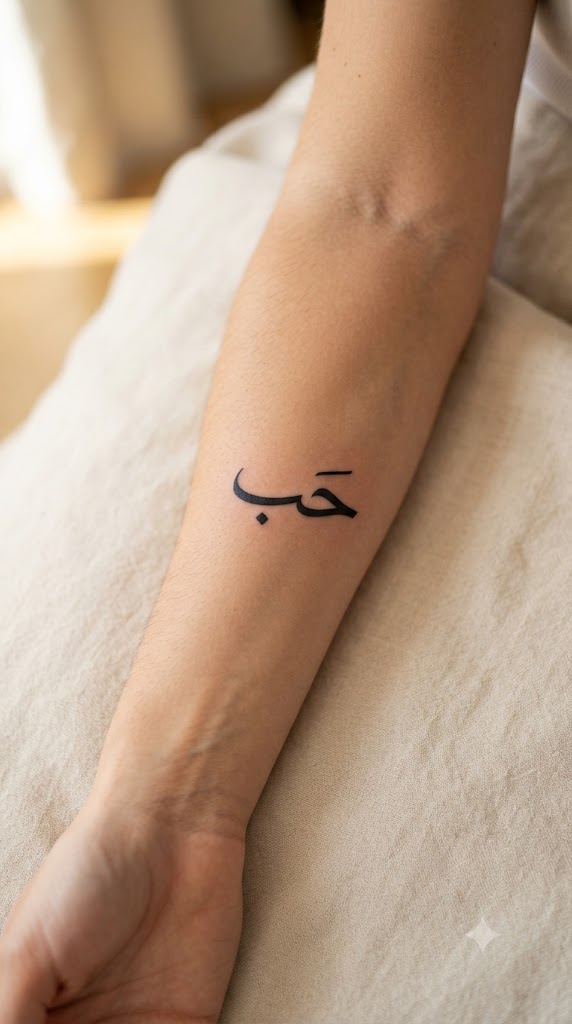
حب — Hubb — Love (general, universal). Two letters. The single most tattooed Arabic love word worldwide — fits any placement, suits every calligraphy style, universally recognized.
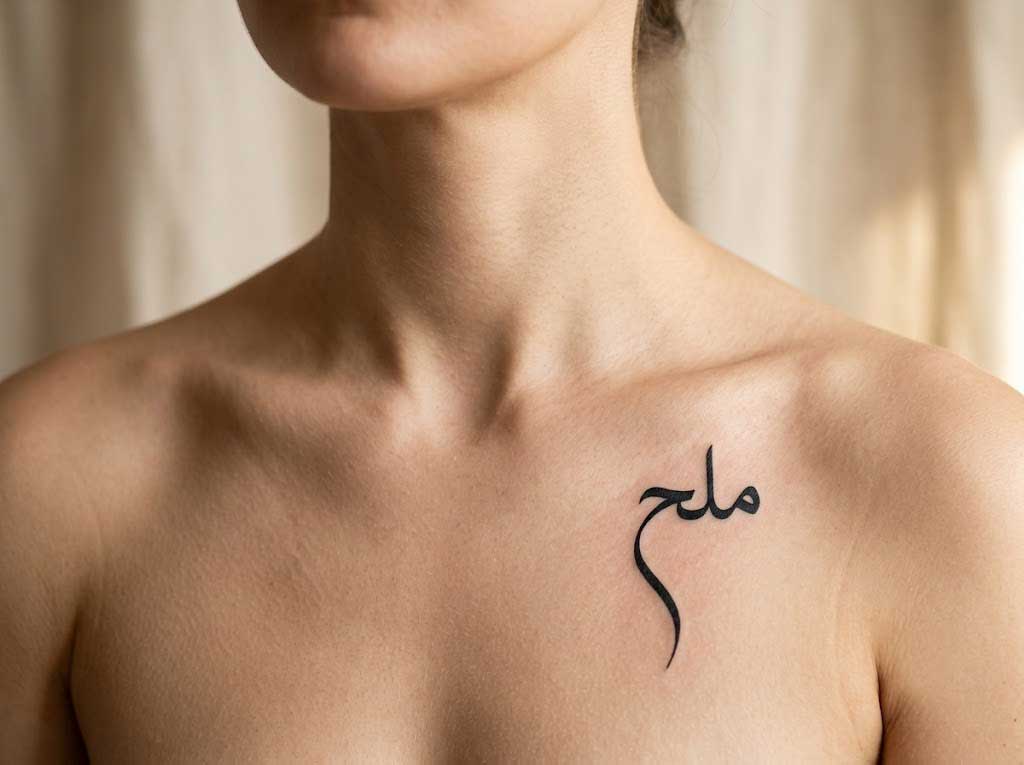
عشق — Ishq — Passionate, all-consuming love. Three letters. Historically the Sufi term for divine love — carries deeper romantic and spiritual weight than حب.
أحبك — Uhibbuk — I love you (to a masculine addressee) — أحبكِ (Uhibbuki) for feminine. Four letters. The direct declaration — popular for couples' tattoos.
حبيبي — Habibi — My beloved (masculine). Four letters. Universally known in Arabic-speaking cultures — an endearment used for lovers, friends, and family.
حبيبتي — Habibti — My beloved (feminine). Five letters. The feminine counterpart of حبيبي — the classic gift tattoo for a female partner.
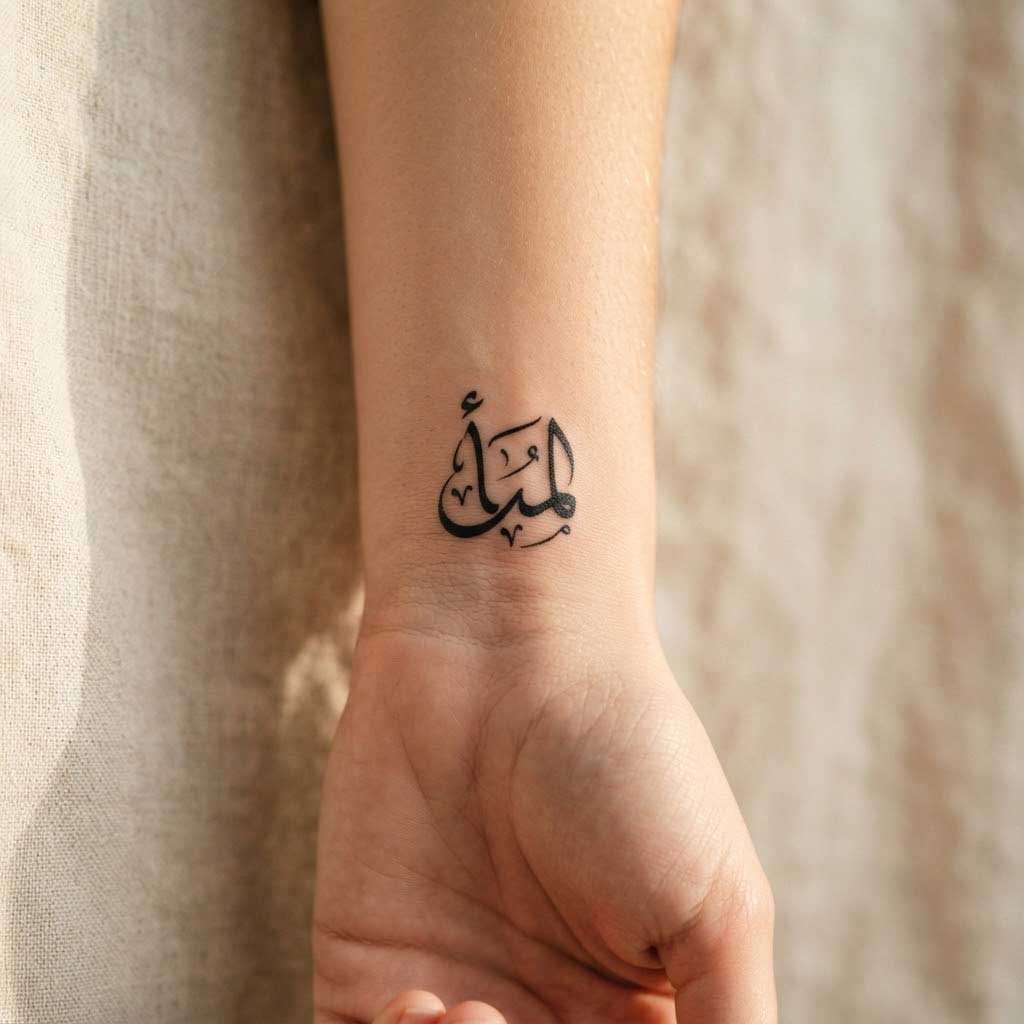
قلبي — Qalbi — My heart. Three letters. An indirect way to say "my love" — softer and more poetic than direct love words.
شغف — Shaghaf — Deep passion, intense yearning. Three letters. A one-word tattoo for someone whose love is defining and all-consuming.
غرام — Gharam — Ardent, romantic love; infatuation. Four letters. Common in classical Arabic poetry — a literary choice.
See all 20+ Arabic words for tattoos with meanings →
Love Yourself First — Arabic Tattoo Ideas
"Love yourself first" is the single most-searched Arabic tattoo phrase after basic love words — a self-empowerment quote that has become one of the defining tattoos of the past decade. Below is the exact Arabic phrasing, common variations, and best placement guidance.
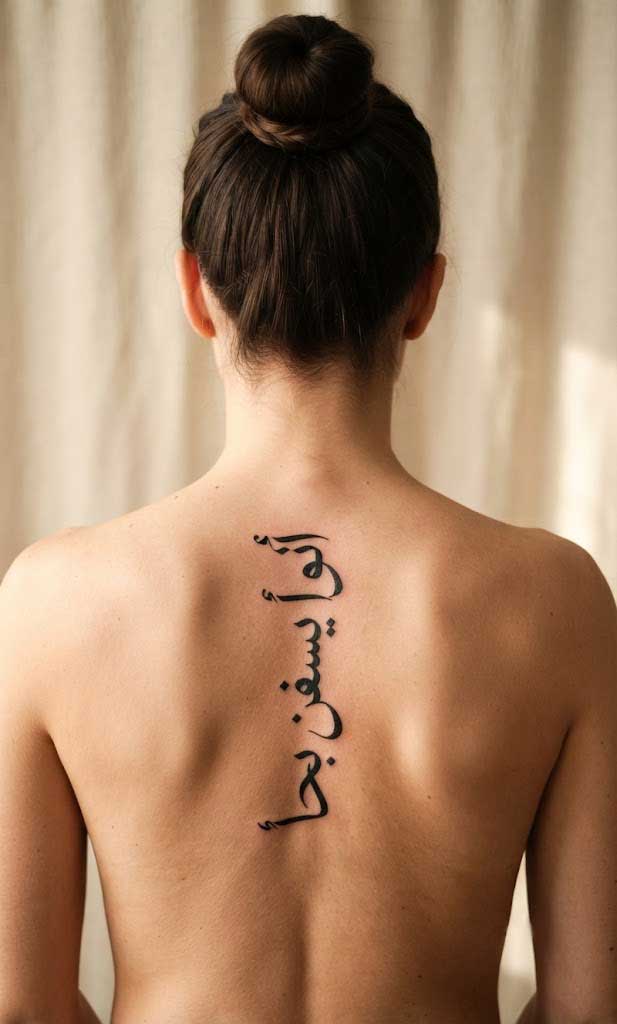
The Exact Phrase — أحب نفسي أولاً
أحب نفسي أولاً (Uhibbu nafsi awwalan) is the standard Arabic translation of "I love myself first." Word breakdown: أحب (Uhibbu — I love) + نفسي (nafsi — myself) + أولاً (awwalan — first). Three words, easy to memorize, unambiguous meaning — verify with a native speaker before inking, but this is the accepted phrasing across all Arabic-speaking countries.
Common Variations & Self-Love Phrases
Shorter alternatives: حب نفسك (Hubb nafsak — Love yourself, imperative), ابدأ بنفسك (Ibda' bi-nafsak — Start with yourself), احترم نفسك (Ihtarim nafsak — Respect yourself), اعتني بنفسك (I'tani bi-nafsak — Take care of yourself). The single word نفسي (nafsi — myself) also stands as a minimalist self-love tattoo.
Best Placements for a Self-Love Tattoo
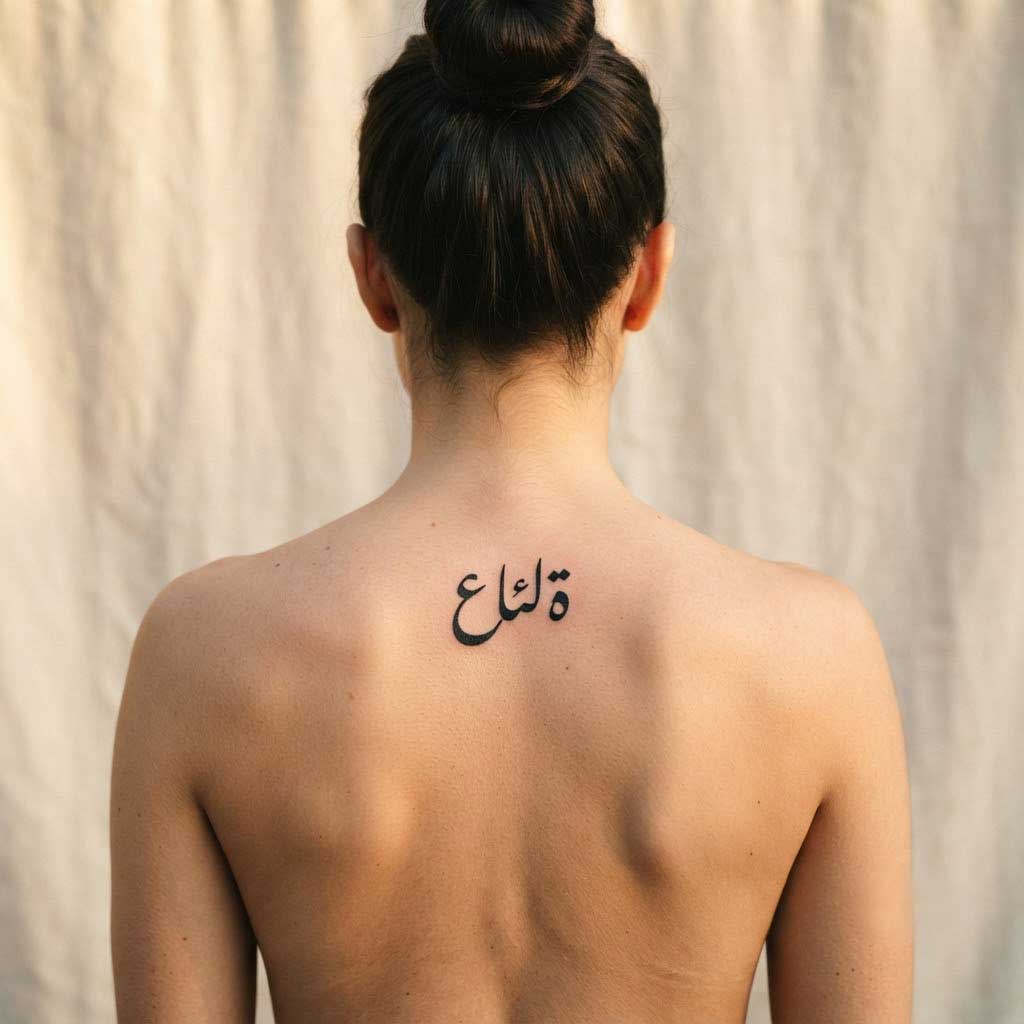
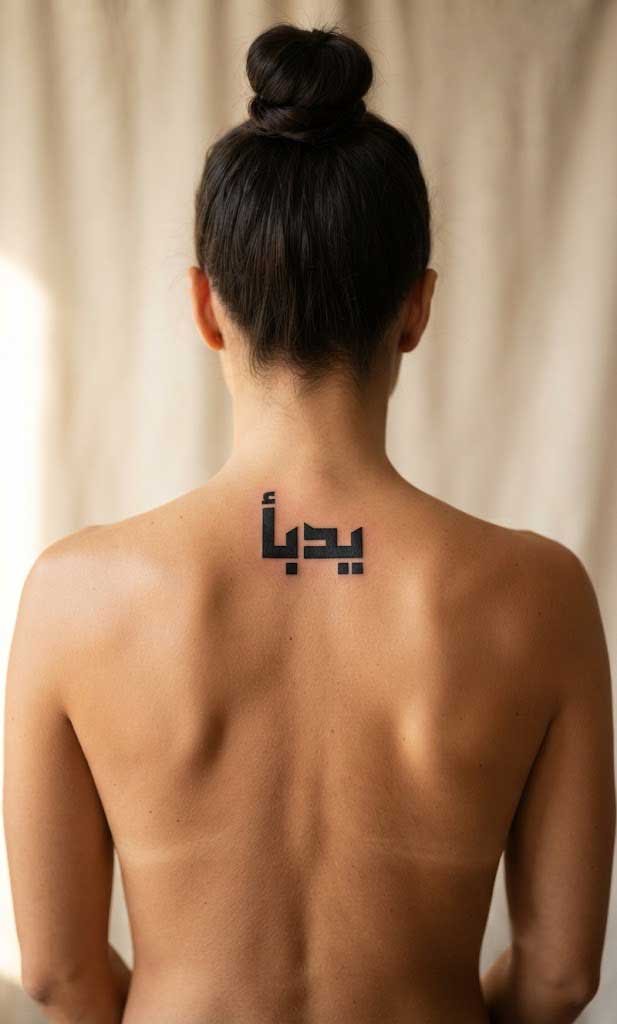
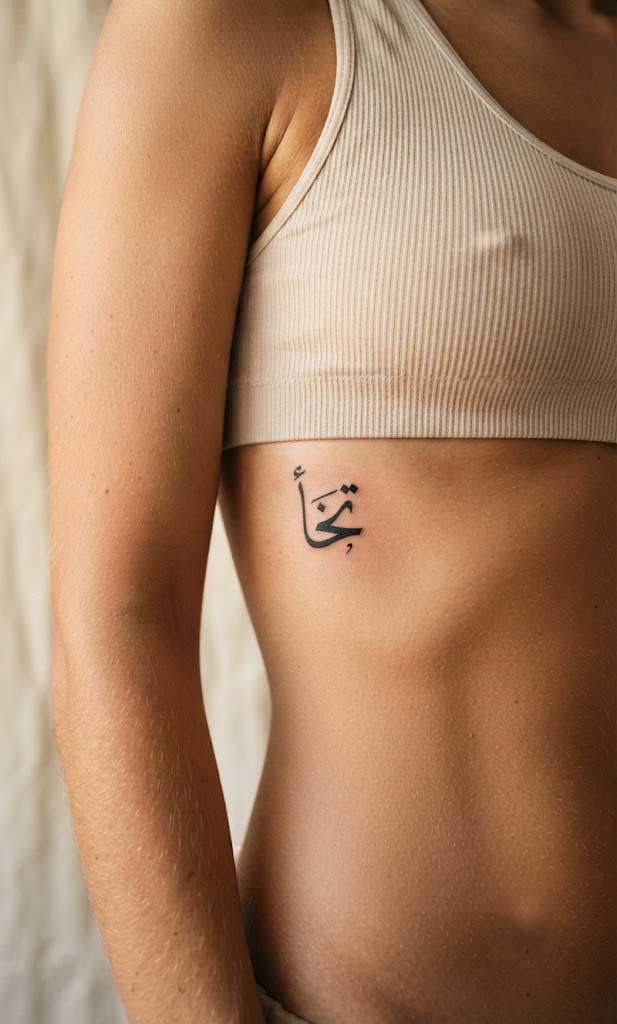
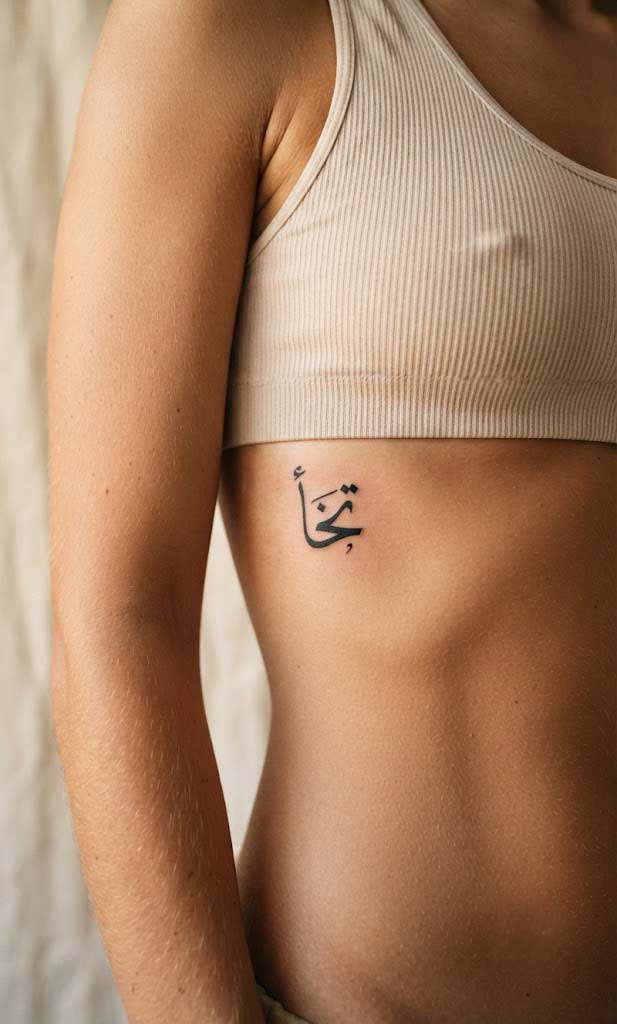
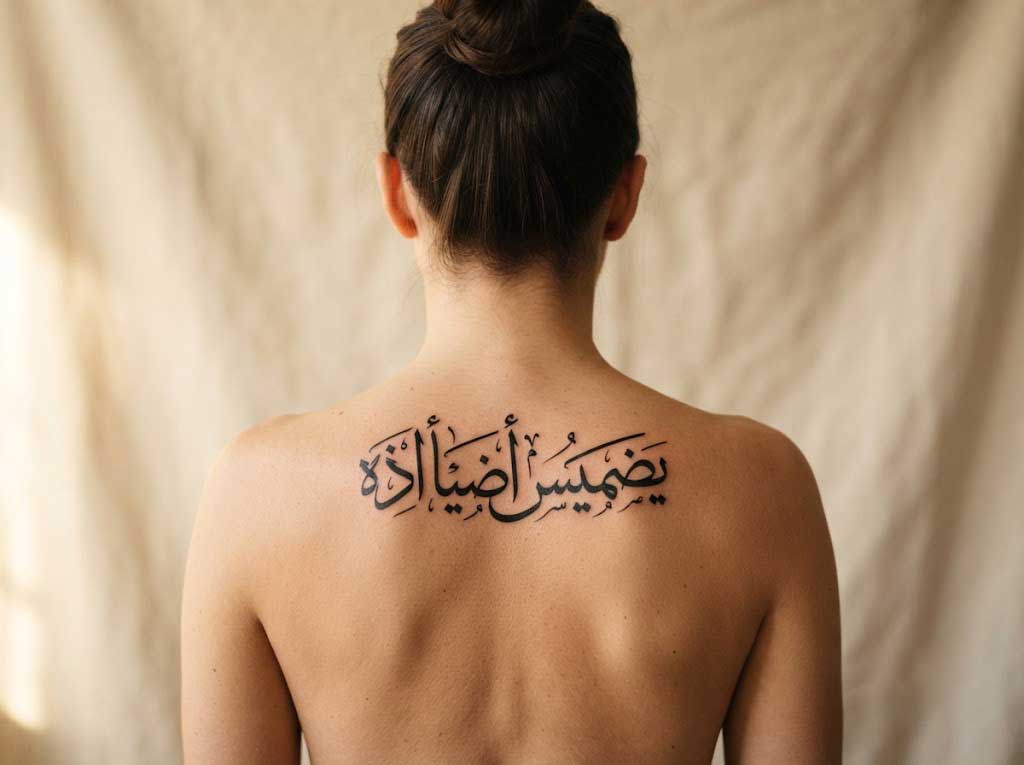
The three-word phrase أحب نفسي أولاً fits best on the spine (vertical column suits the rhythm), the upper back (horizontal spread), or the inner forearm (visible daily reminder). For the shorter حب نفسك, the wrist, collarbone, or ribcage work well. Nastaliq or Diwani give the phrase a softer, more personal feel; Thuluth gives it ceremony and permanence.
Love Arabic Tattoo Designs — Quotes & Phrases by Theme
Beyond single love words, love arabic tattoo designs cluster around six phrase-level themes. Each theme has its own visual vocabulary and typical placements — pick the one that matches the specific kind of love your tattoo needs to carry.
Romantic Love — أحبك, قلبي معك, أنت حياتي
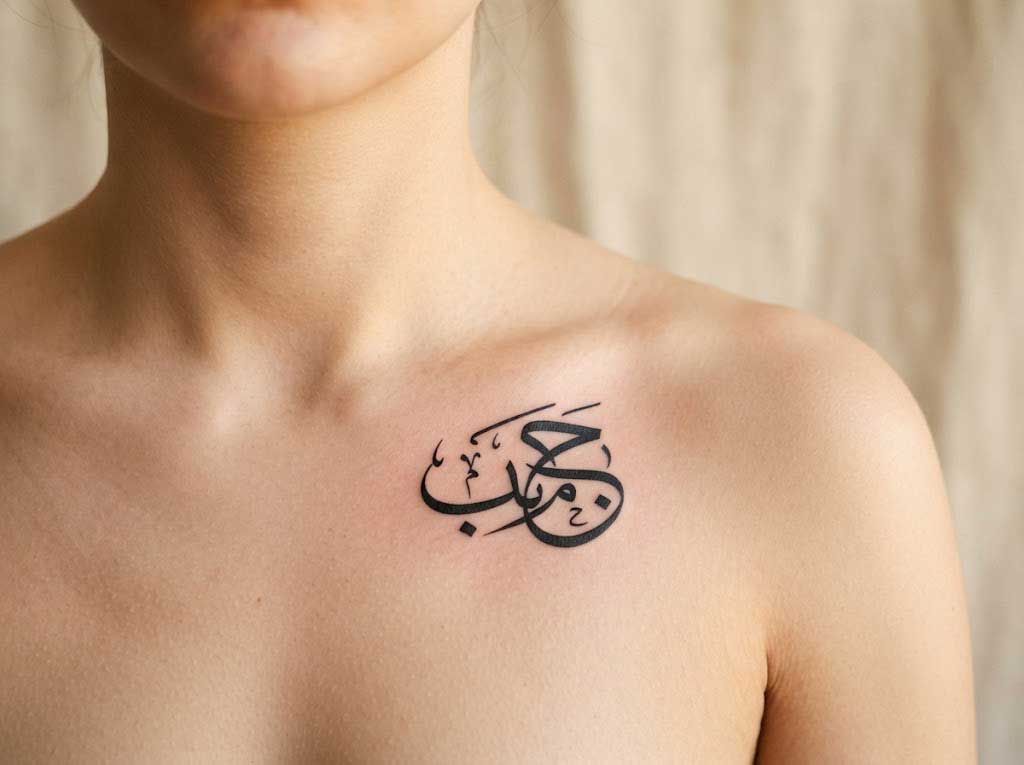
The core romantic phrases: أحبك من كل قلبي (Uhibbuka min kulli qalbi — I love you with all my heart), قلبي معك (Qalbi ma'ak — My heart is with you), أنت حياتي (Anta hayati — You are my life). Best in flowing Diwani or Nastaliq on the collarbone, inner arm, or ribcage.
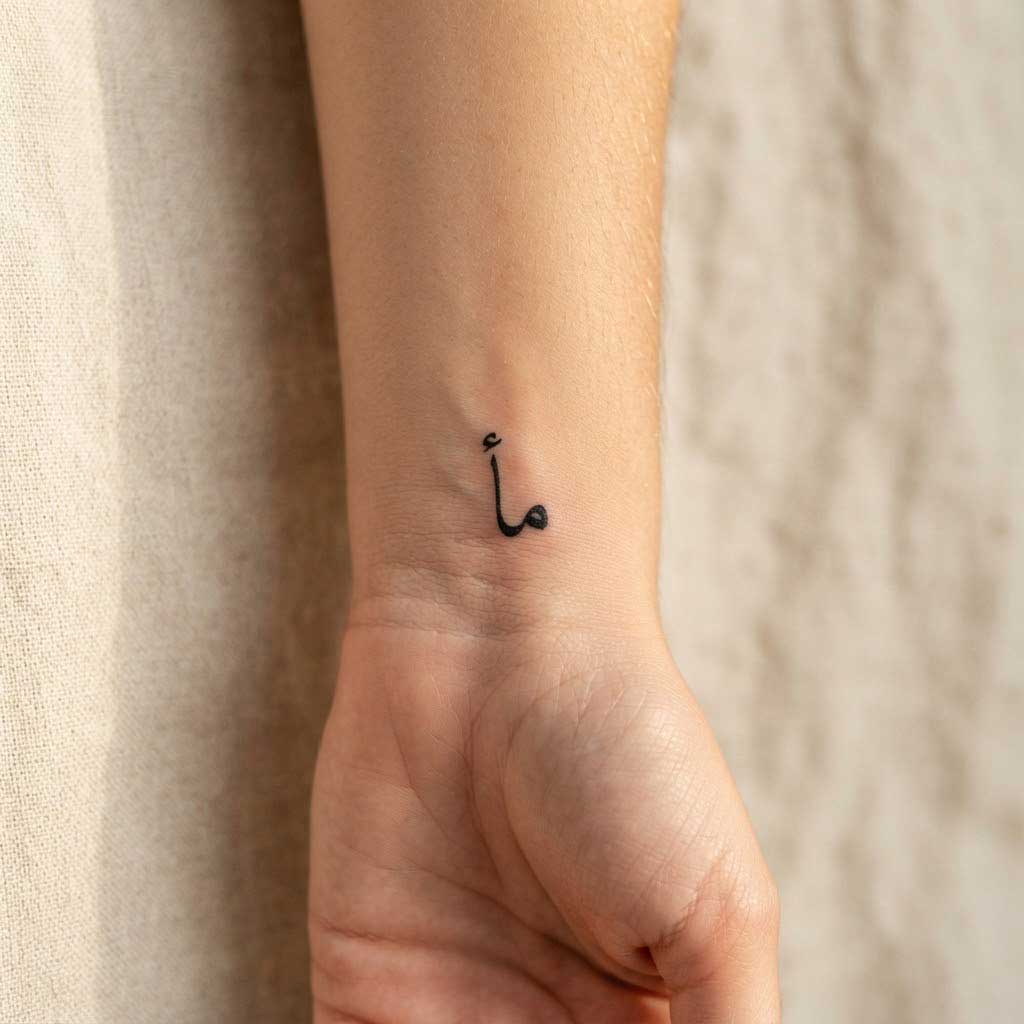
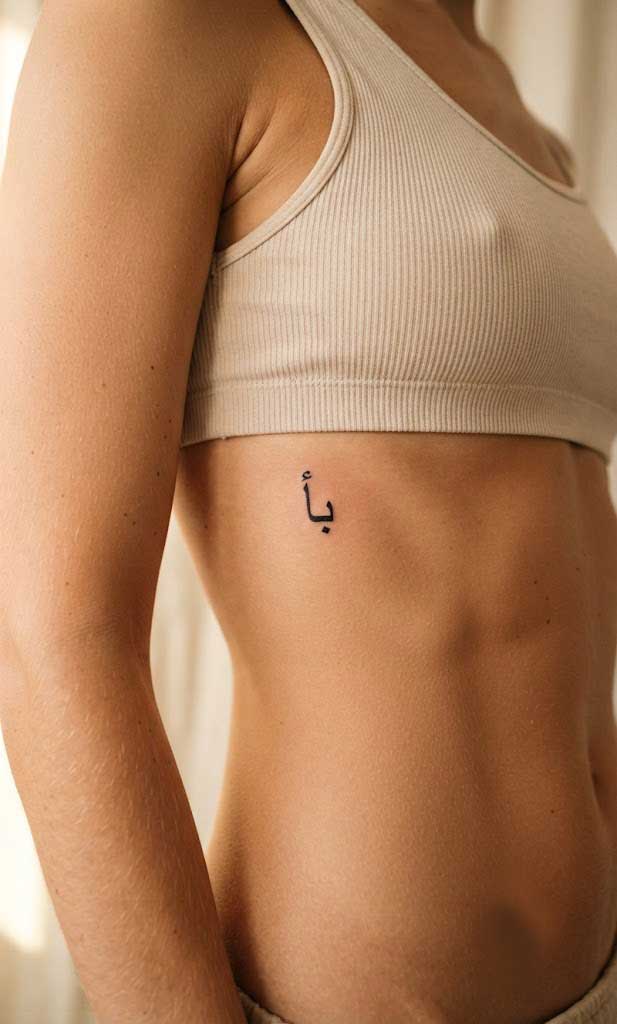
Family Love — i love you mom / family
أحب أمي (Uhibbu ummi — I love my mother), أحب أبي (Uhibbu abi — I love my father), أحب عائلتي (Uhibbu 'a'ilati — I love my family). For a shorter tribute, single family words work equally well — see family-themed Arabic tattoos.
God is Love — الله محبة
الله محبة (Allah mahabba — God is love) is the direct Arabic translation of the Christian scriptural phrase (1 John 4:8) and a popular tattoo among Arabic-speaking Christians. The word محبة (mahabba) is used specifically for divine and universal love, distinct from romantic حب.
Faith, Hope, Love — إيمان, أمل, محبة
إيمان أمل محبة (Iman, amal, mahabba — Faith, hope, love) renders the classic 1 Corinthians 13:13 triad in Arabic. Three balanced words — commonly stacked vertically down the spine or arranged in a triangle on the ribs. Popular as a Christian-tradition Arabic tattoo.
Live, Laugh, Love — عش, اضحك, أحب
عش اضحك أحب (Ish, idhak, uhibb — Live, laugh, love) is the Arabic rendering of the well-known English tattoo trio. Three imperatives — cleanest as three separate words stacked vertically, each in its own font weight. Reads best in bold Kufic on a forearm or ribcage.
Loyalty Over Love — الولاء فوق الحب
الولاء فوق الحب (Al-wala' fawq al-hubb — Loyalty above love) is a modern statement-tattoo phrase for people whose personal code puts loyalty first. Four words — best on the ribcage, spine, or inner forearm in bold Thuluth or Naskh for legibility.
How to Choose Your Love Arabic Tattoo
Love is the most nuanced concept in Arabic — the wrong love word can make a beautiful tattoo say something you never intended. Work through all five steps before you sit in the chair.
- Pick the specific love word for your intent. حب is universal love. عشق is passionate, all-consuming love (originally a Sufi term). غرام is romantic infatuation. شغف is deep yearning. حبيبي/حبيبتي is "my beloved." Getting عشق when you meant حب reads differently to an Arabic speaker — verify your intent matches the register.
- For couples' tattoos, confirm gender agreement. Arabic verbs and nouns change based on the addressee's gender. أحبك (Uhibbuka) addresses a male; أحبكِ (Uhibbuki) addresses a female. حبيبي is "my beloved (male)"; حبيبتي is "my beloved (female)." A native speaker will catch mismatches instantly.
- Verify BOTH spelling and grammar with a native Arabic speaker. For single love words, spelling verification is enough. For multi-word phrases (أحب نفسي أولاً, الله محبة, etc), grammar verification matters equally — send the exact text and ask them to read it aloud. Five minutes now saves a lifetime of regret.
- Match the calligraphy style to the register of the word. Thuluth for reverent or ceremonial love (الله محبة, إيمان أمل محبة). Diwani or Nastaliq for romantic or poetic pieces (عشق, غرام, أحبك). Kufic for bold modern one-word statements (حب, نفسي). Naskh when legibility matters most.
- Test the design as a temporary tattoo for at least a week. Download the design PNG at 3× or 4× resolution, print it, and wear it as a temporary transfer or henna. Love tattoos in particular — because they are often visible, personal, and connected to a specific person or state of mind — deserve the extra week of consideration.