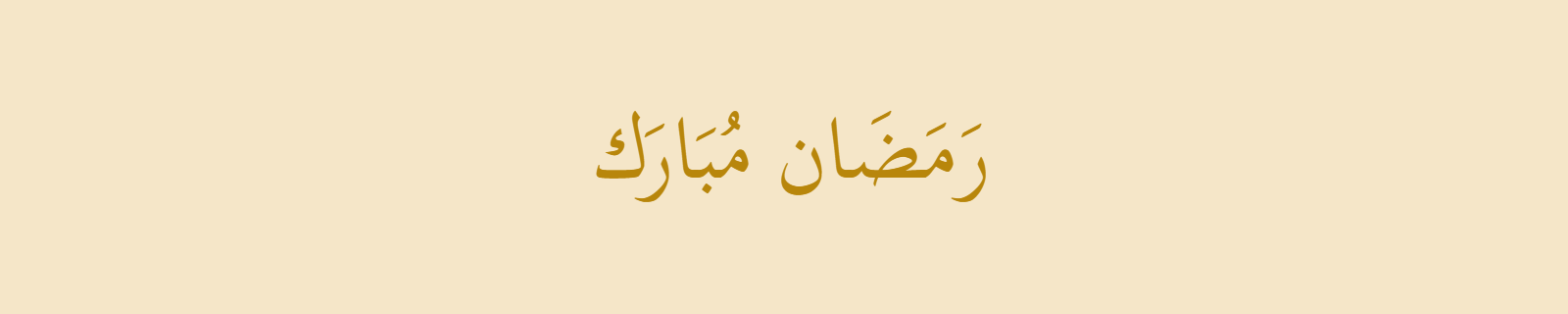
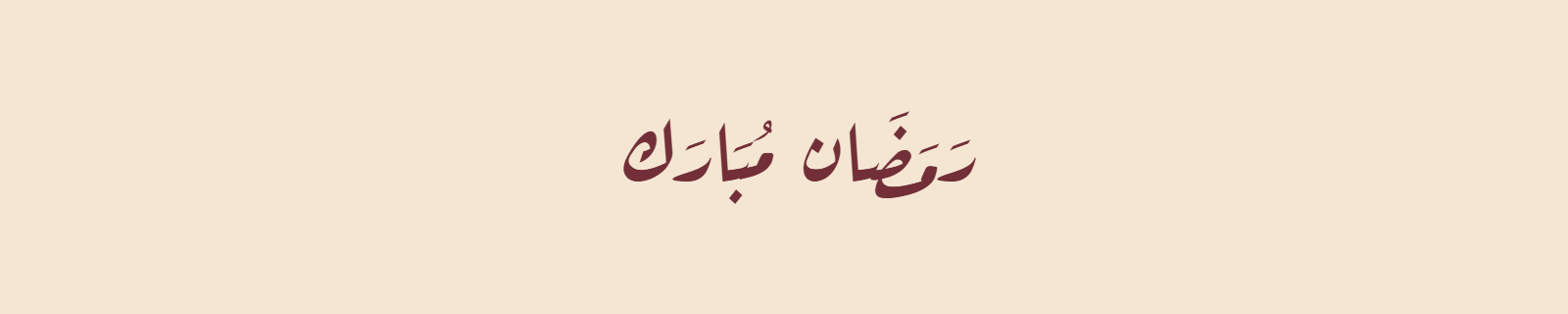
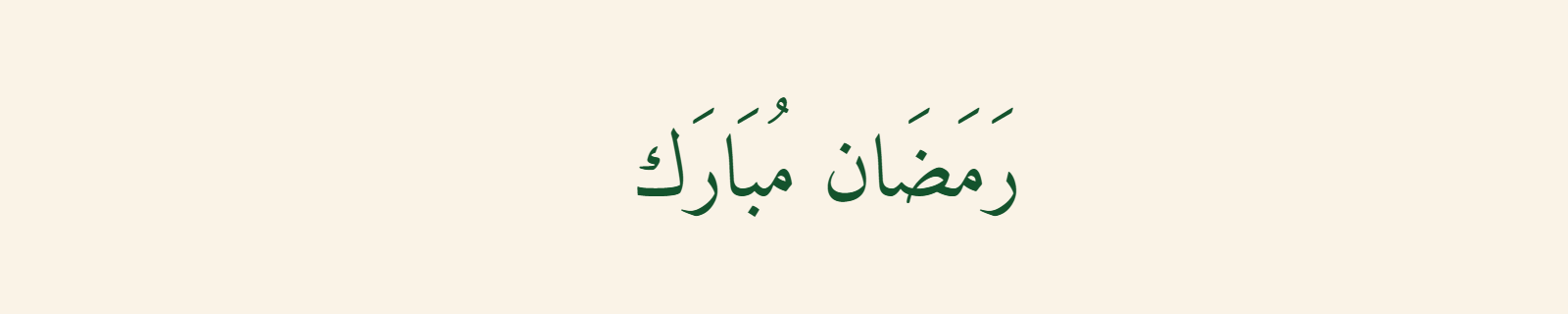
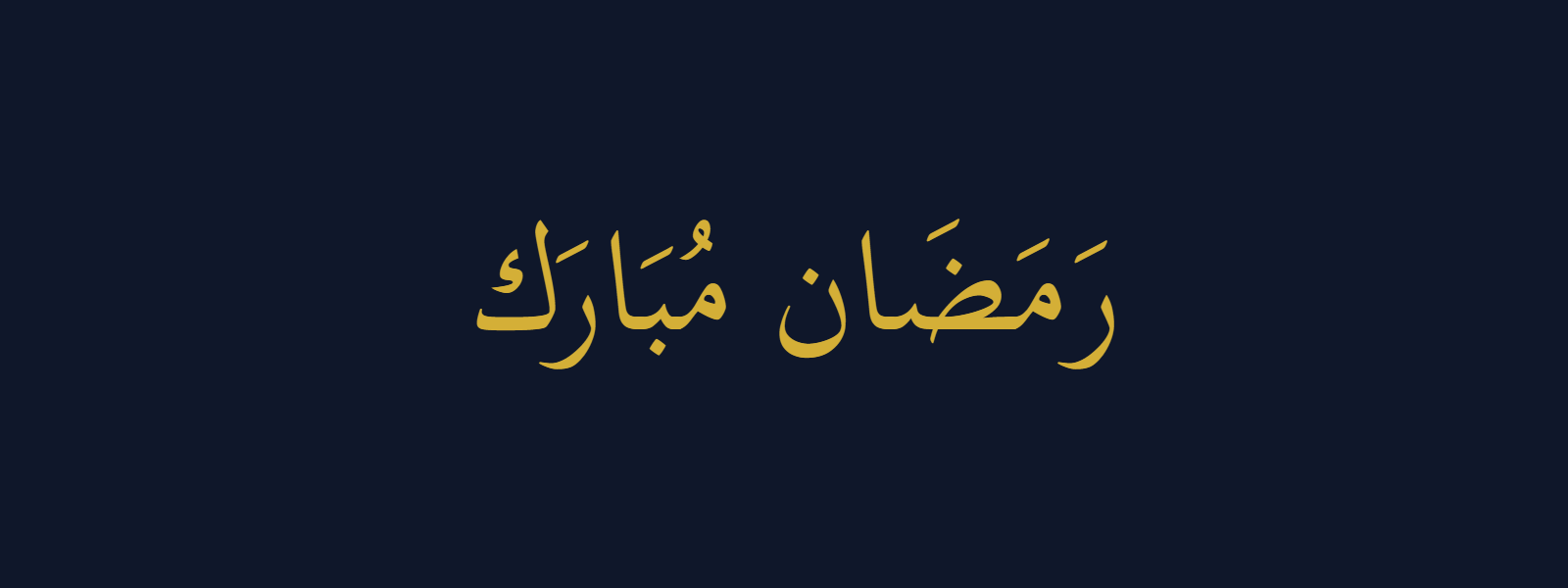
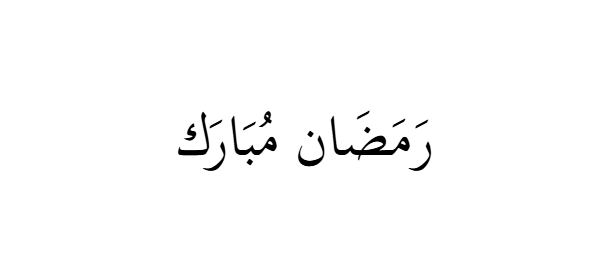
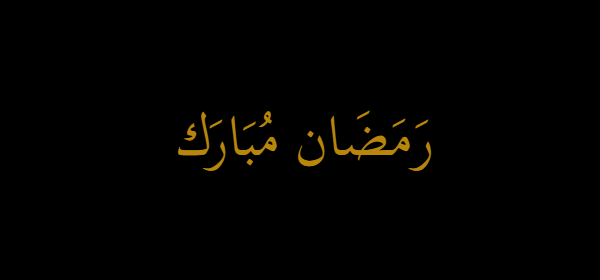
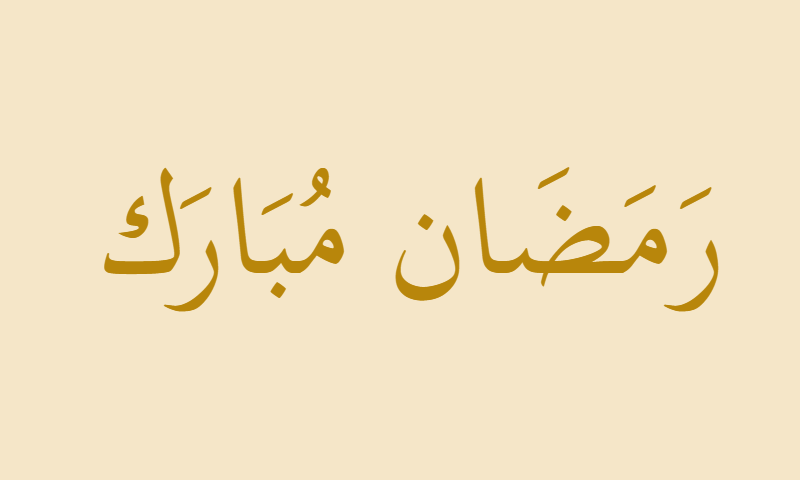
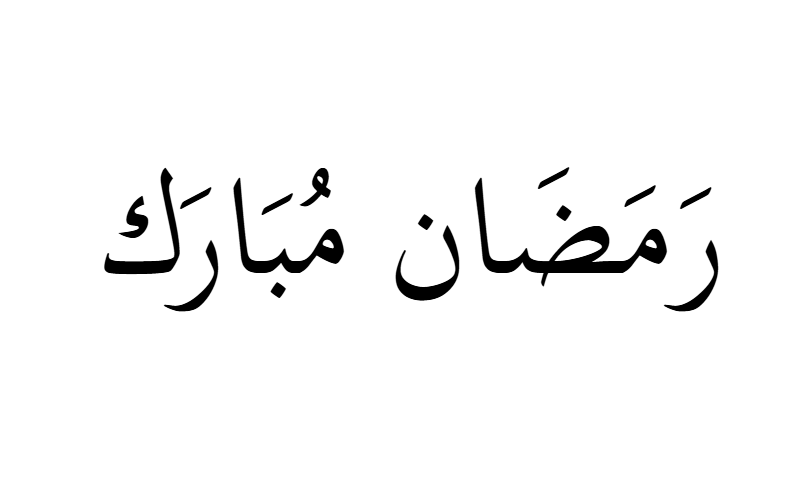
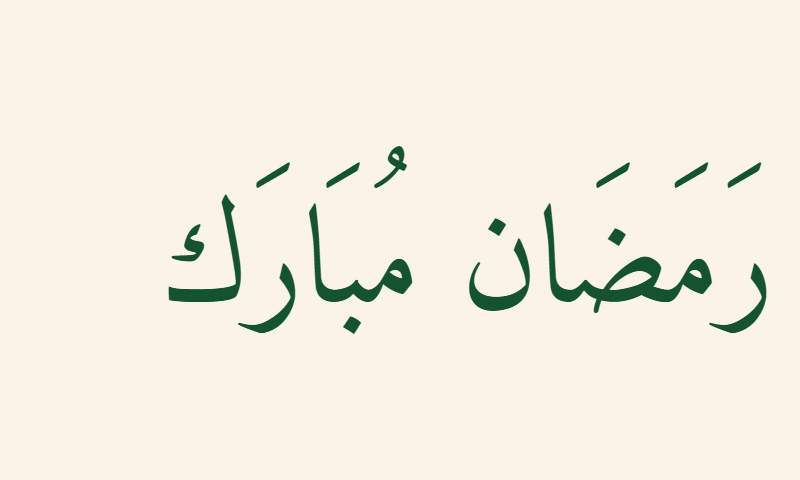
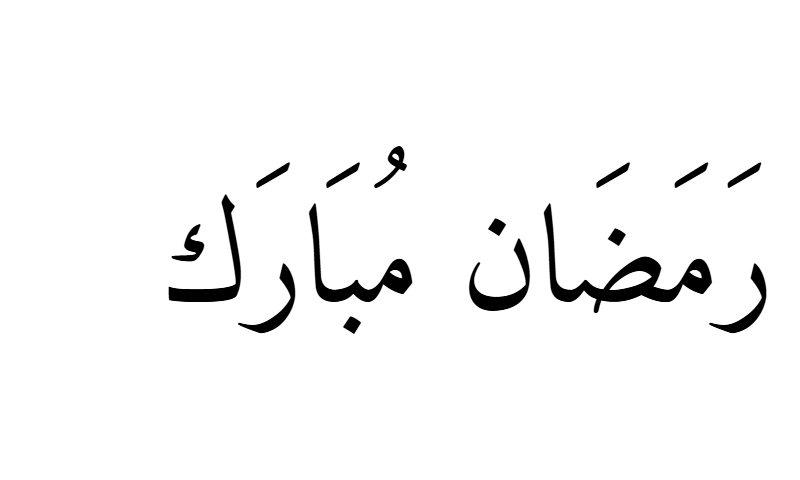
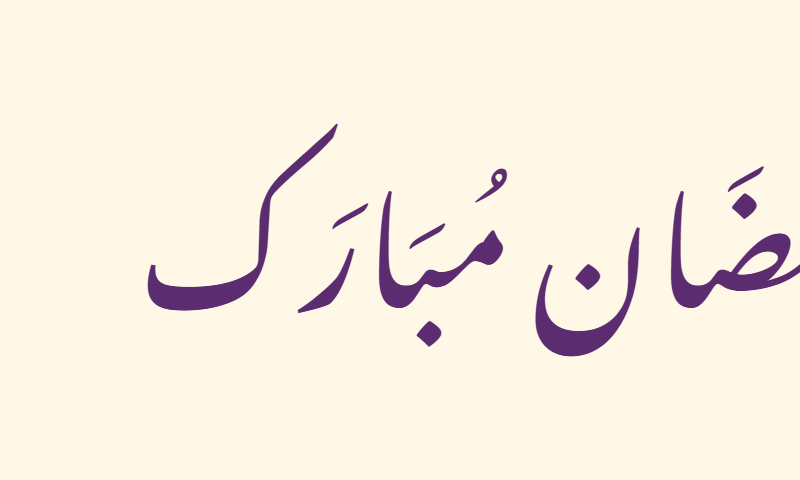
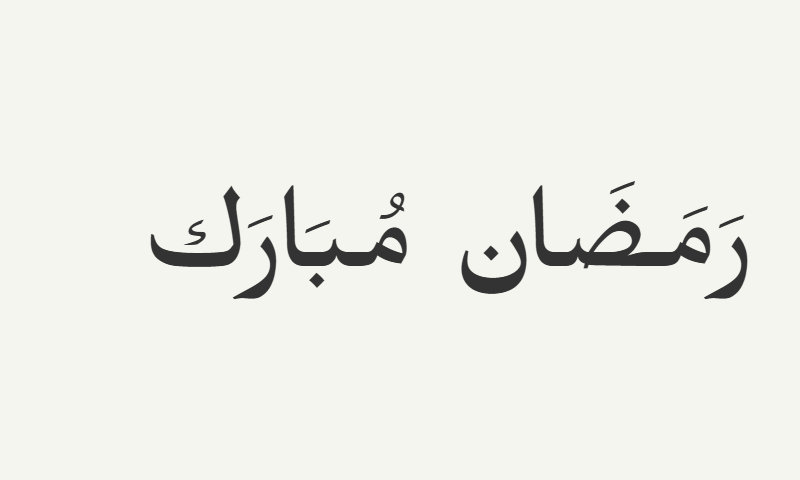
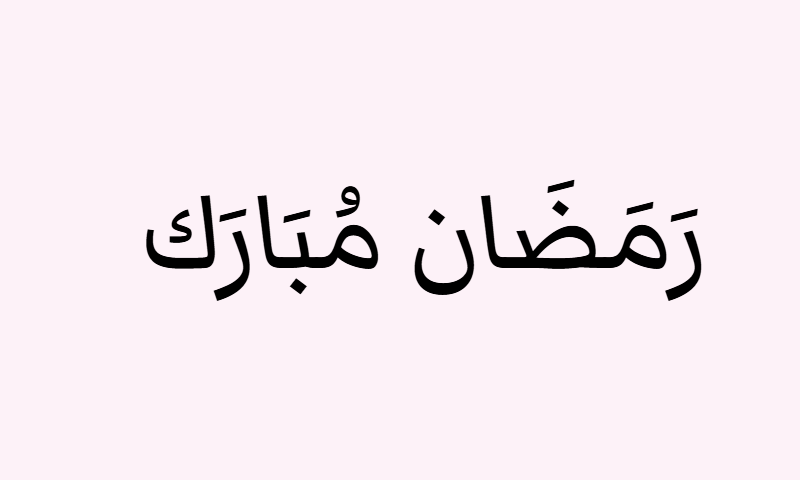
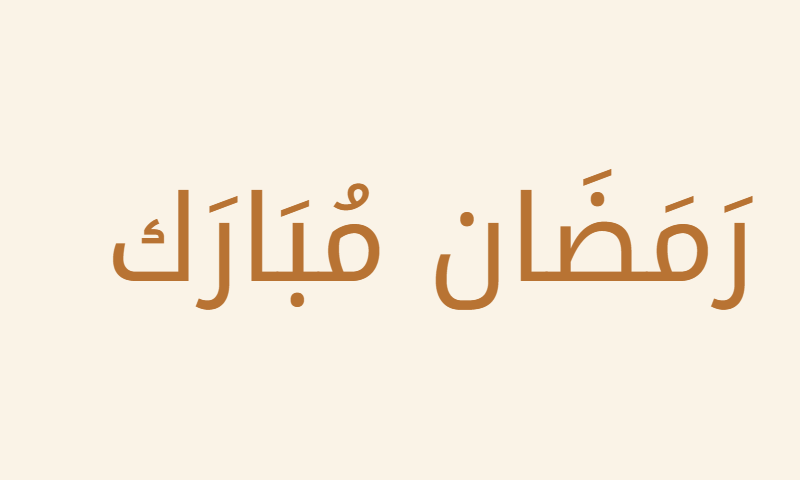
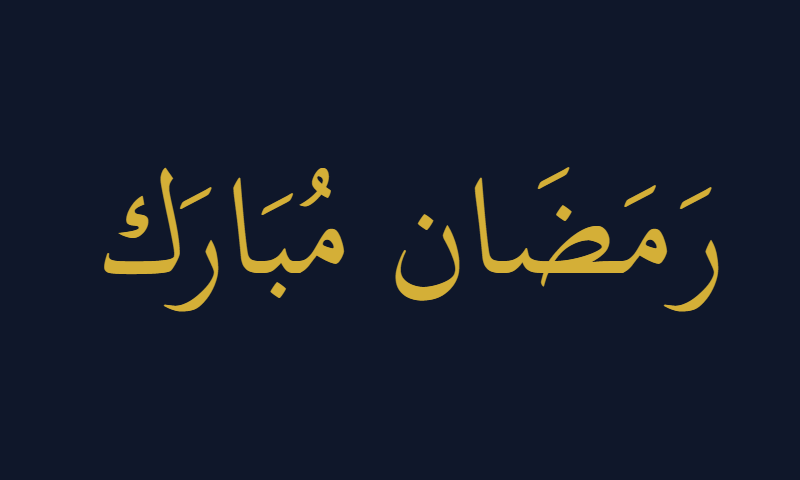
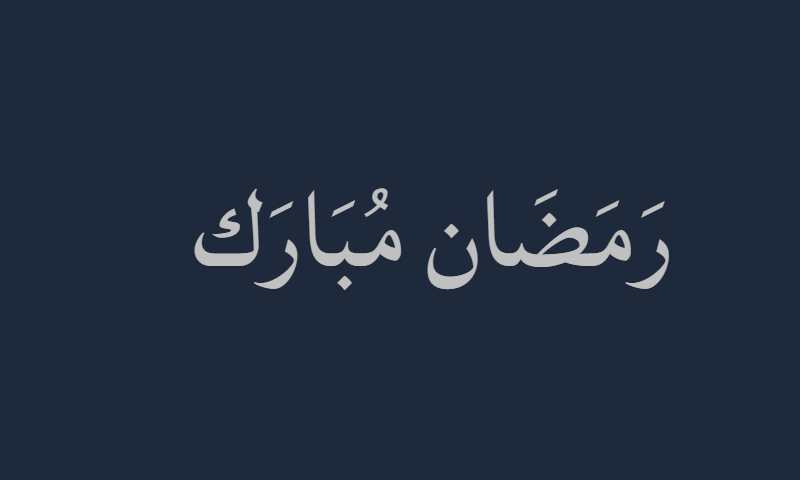
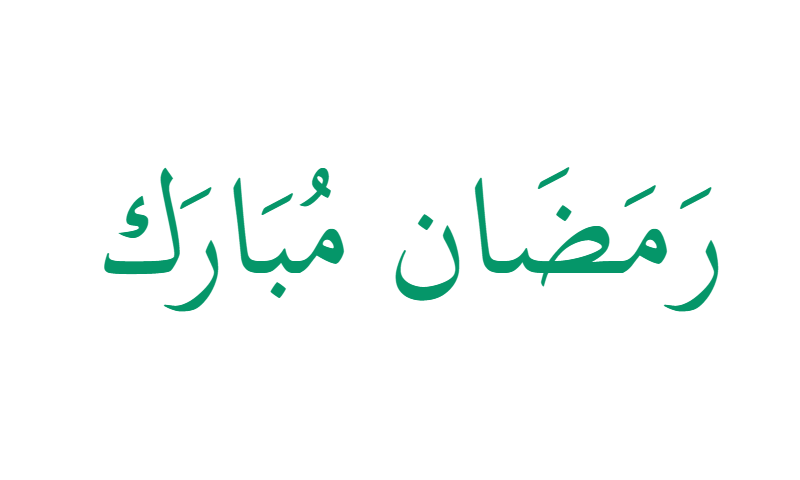
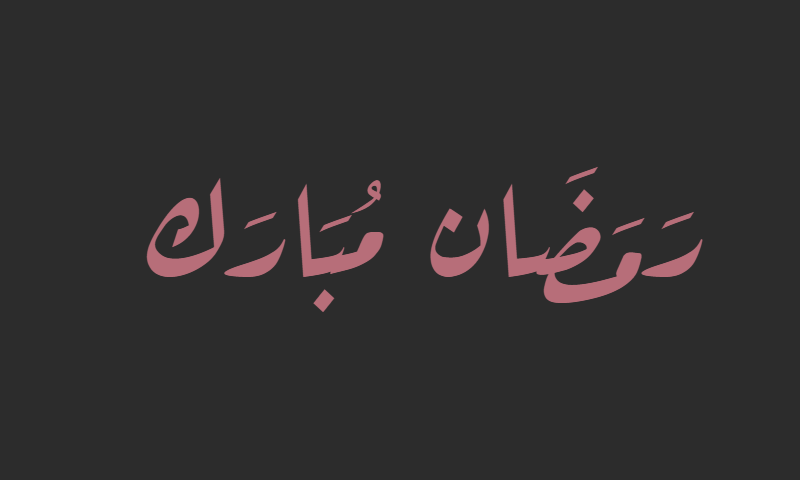
Create Ramadan Mubarak (رمضان مبارك) in 11 authentic Arabic calligraphy styles — Thuluth, Kufic, Diwani, Naskh, and more. Perfect for greeting cards, WhatsApp status, and Instagram Stories. Free PNG, SVG, and JPG download.
✓ 100% Free✓ No Signup✓ SVG Export✓ 11 Styles
Text Input
Font Style
Colors
Transform
Position
Background
WhiteTransparentColorImage
Canvas Size
InstagramFacebookTwitterHD
SquareWideIconBanner
×px
Export
Live Preview800 × 400 px
💡 Drag text to reposition • Use sliders for precise control
Ramadan Mubarak Calligraphy
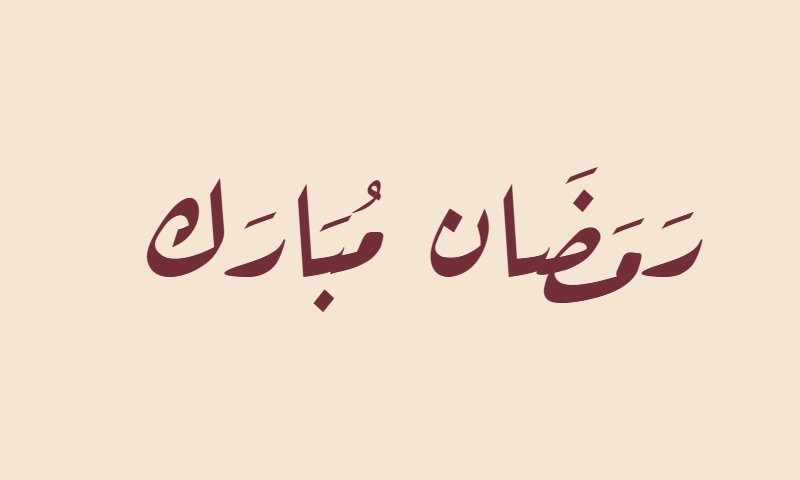
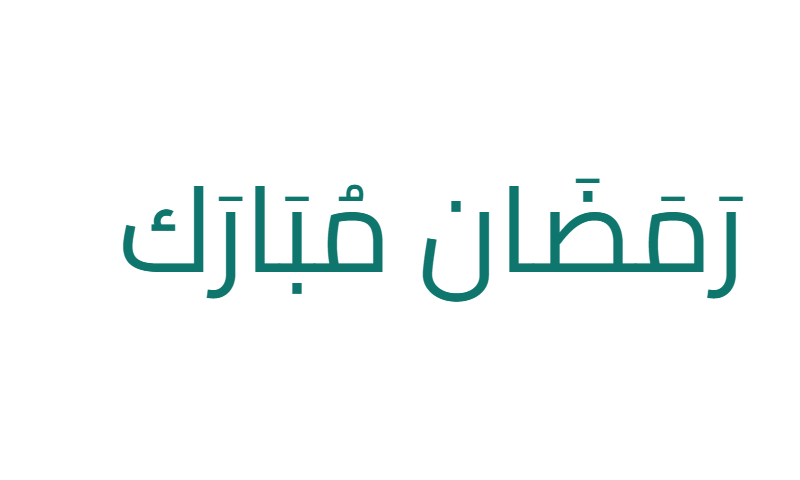
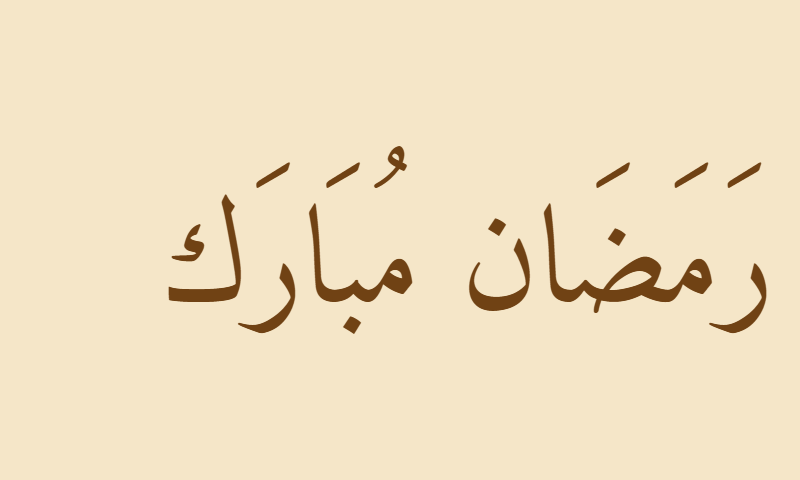
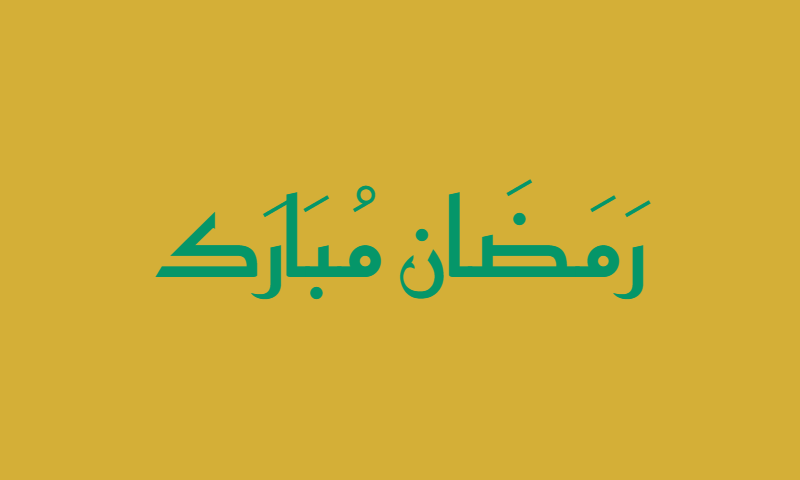
Ramadan Mubarak (رمضان مبارك) is the most widely spoken blessed-Ramadan greeting across the Muslim world, favored especially in South Asian, Turkish, and Gulf traditions. Rendering it in different Arabic calligraphy styles changes the emotional register of your greeting — Thuluth carries ceremonial reverence perfect for family Iftar invitations, Diwani adds courtly warmth for elegant cards, Kufic gives a bold modern look for Instagram posts, and Naskh keeps it clean and readable for community messages. Try each style in the free Ramadan Mubarak calligraphy generator above and download the version that best fits your greeting card, WhatsApp status, or Instagram Story.
Thuluth Ramadan Mubarak
Thuluth is the most historically revered style for Ramadan Mubarak calligraphy, used in mosque decorations and Islamic manuscripts for over a millennium. Its long curving letters give the two-word blessing a sense of formal grace suitable for family gatherings, mosque signage, and printed Iftar invitations. Select "Thuluth (Scheherazade)" in the generator above.
Diwani Ramadan Mubarak
Diwani produces flowing, ornate Ramadan Mubarak calligraphy originally developed by Ottoman court scribes. Its decorative interlocking curves are perfect for elegant greeting cards, wedding-style Iftar invitations, and premium print gifts. Choose "Diwani (Aref Ruqaa)" in the font dropdown.
Kufic Ramadan Mubarak
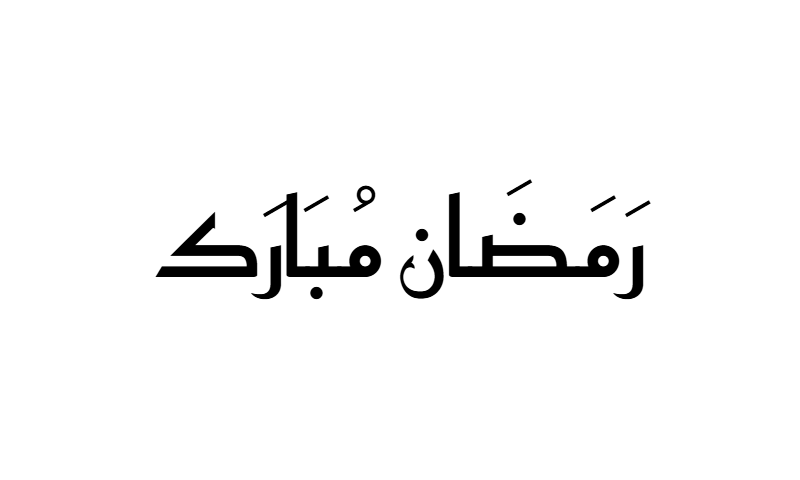
Kufic is the oldest Arabic script and gives Ramadan Mubarak bold, angular geometric weight — perfect for modern social media posts, minimalist wall art, and contemporary Ramadan decorations. Its clean lines work exceptionally well when overlaid on lantern or crescent-moon photos. Select "Kufi (Reem Kufi)" in the generator.
Naskh Ramadan Mubarak
Naskh offers a clean, highly legible Ramadan Mubarak calligraphy — the same style used in modern Quran printings. It is the safest choice when clarity matters more than decoration, such as WhatsApp messages, community bulletins, and educational Ramadan materials. Choose "Naskh (Amiri)" in the font selector.
Ramadan Mubarak in Arabic
Ramadan Mubarak in Arabic is written رمضان مبارك, composed of two words: Ramadan (رمضان), the ninth month of the Islamic lunar calendar during which Muslims fast from dawn to sunset, and Mubarak (مبارك), an adjective meaning "blessed" or "sacred." Together they form the greeting "Blessed Ramadan" or, more idiomatically, "May your Ramadan be blessed."
The greeting is spoken throughout the month of Ramadan — before Iftar (the sunset meal), after Suhoor (the pre-dawn meal), in mosque gatherings, and in personal messages to family and friends. When rendered in calligraphy, the two-word structure gives the phrase a natural rhythm — Ramadan's long alifs and mim balance beautifully against Mubarak's compact letters, making it well-suited to horizontal banners, greeting cards, and social media graphics.
You may also encounter Ramadan Kareem (رمضان كريم) — a related greeting meaning "Generous Ramadan." The two phrases are largely interchangeable in daily use, though Ramadan Mubarak is often preferred in more religiously observant contexts because "Mubarak" (blessed) more closely reflects the spiritual character of the holy month than "Kareem" (generous). Both are widely accepted and both can be generated from the tool above.
Ramadan Mubarak Meaning
Ramadan Mubarak (رمضان مبارك) literally means "Blessed Ramadan." It is a greeting that acknowledges the holy month as a spiritually sacred time — the belief that Allah's blessings, mercy, and forgiveness are especially abundant during Ramadan, and that Muslims should treat the month as a period of dedicated worship, self-reflection, and gratitude.
The Arabic root of Mubarak is B-R-K (ب-ر-ك), which conveys blessing, sacredness, and divine grace. The same root appears throughout the Quran and in the phrase Tabarak Allah (تبارك الله — "Blessed is Allah"). So when someone says "Ramadan Mubarak" to you, they are not just wishing you a happy month — they are invoking the sacred, blessed nature of Ramadan and expressing hope that you receive its full spiritual benefit.
In practice, "Ramadan Mubarak" is used the same way English speakers use "Happy holidays" or "Merry Christmas." It is spoken between family, friends, colleagues, neighbors, and strangers throughout the month. Common replies include "Ramadan Mubarak to you too," "Khair Mubarak" (May goodness be blessed for you), or simply "Wa alaikum, Ramadan Mubarak" (And upon you, Blessed Ramadan).
Ramadan Mubarak PNG & Photo Download
Transparent PNGWhite backgroundBlack background
After designing your Ramadan Mubarak calligraphy in the generator above, download it in the format that fits your use case:
PNG (Transparent) — best for WhatsApp status, Instagram Story overlays, and layered greeting-card designs. Enable transparent background in the tool when you want to place Ramadan Mubarak over a lantern, crescent, or mosque photo. PNG (White or Black) — great for printed cards, community bulletins, phone wallpapers, and posters. Set the background color directly inside the tool. SVG — best for framed prints, large banners, and any use that needs to scale to poster size without quality loss. JPG — smallest file size, ideal for casual sharing.
How to use these Ramadan Mubarak PNGs: • Social post — pick Kufic or Cairo style, transparent background, then overlay on any lantern / crescent photo in Instagram Story. • Greeting card — pick Thuluth or Diwani, gold text (#B8860B or #D4AF37) on deep navy background, download at high resolution. • Phone wallpaper — pick your style, tall aspect ratio, black background — download and set as lock screen. • Poster — download SVG so it scales to any print size without pixelation.
All Ramadan Mubarak PNG and photo downloads are free — no watermark, no sign-up, no account required.
Ramadan Mubarak vs Ramadan Kareem
The two most common Ramadan greetings — Ramadan Mubarak (رمضان مبارك) and Ramadan Kareem (رمضان كريم) — are often used interchangeably, but they carry slightly different shades of meaning:
Ramadan Mubarak literally means "Blessed Ramadan." The word Mubarak comes from the Arabic root B-R-K meaning "blessed" or "sacred" — it centers the greeting on the spiritual holiness of the month. It is the greeting many scholars slightly prefer because it emphasizes divine blessing rather than material generosity.
Ramadan Kareem literally means "Generous Ramadan." The word Kareem comes from the Arabic root K-R-M meaning "generous" or "noble" — it centers the greeting on Allah's generosity and multiplied rewards during the month. Some traditionalists gently object to it because generosity (Kareem) is an attribute of the giver (Allah), not the month itself — though it is universally understood and warmly received.
Which one should you use? Both are widely accepted, and either is a safe choice. Practical guidance: • Ramadan Mubarak is slightly more common in South Asian, Turkish, and Gulf communities and in formal religious contexts. • Ramadan Kareem is slightly more common in Egyptian, Levantine, and North African communities and in casual/commercial greetings. • When in doubt, use Ramadan Mubarak — it will never be considered incorrect.
For calligraphy, both phrases work equally well across all 11 styles in the generator. Want to see Ramadan Kareem instead? Visit our Ramadan Kareem in Arabic Calligraphy page.
Ramadan Mubarak Pronunciation
Ramadan Mubarak is pronounced ra-ma-DAAN moo-BAA-rak. Break it down slowly:
Ramadan — ra-ma-DAAN. Three syllables. The stress falls on the final syllable DAAN with a long "a" sound (like the "a" in "father"). The first two syllables ra-ma are quick and equal, both with a short "a" (like the "a" in "cat" but slightly softer). The final "n" is a clean nasal.
Mubarak — moo-BAA-rak. Three syllables. The stress falls on the middle syllable BAA with a long "a" (like the "a" in "father"). The first syllable moo is a short "oo" (like the "oo" in "book" — not "food"). The final rak is clipped short with a rolled or tapped "r".
Common English mispronunciations to avoid: • Not "RAM-a-dan" (English stress on first syllable) — the correct stress is on the last syllable: ra-ma-DAAN. • Not "moo-BAR-uk" (English soft "uh" at the end) — the final syllable is a clean, short rak. • The "a" in DAAN and BAA should be long and open, not short like "cat."
Tip: If you say "ra-ma-DAAN moo-BAA-rak" as two smooth two-syllable-plus-one groups with equal weight on the stressed vowels, native Arabic speakers will understand you clearly regardless of exact accent.
Featured Ramadan Mubarak Calligraphy Designs
Hand-picked Ramadan Mubarak designs across styles, colors, and use cases — from formal Iftar invitations to WhatsApp status graphics. Designs refresh on each visit.
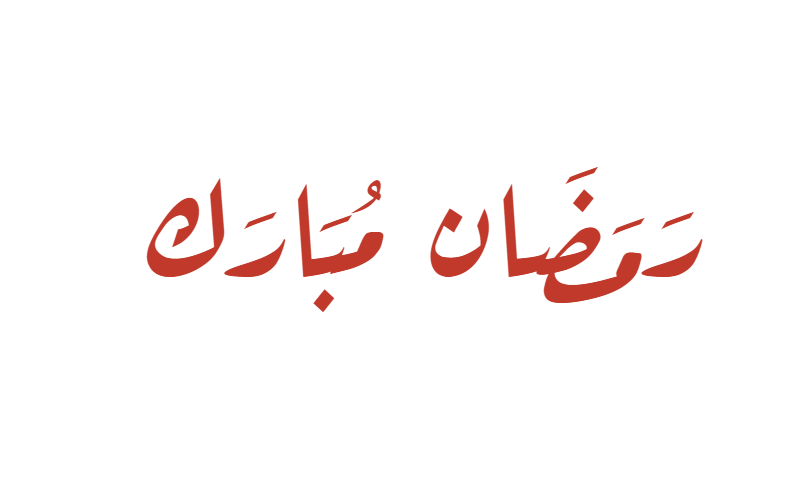
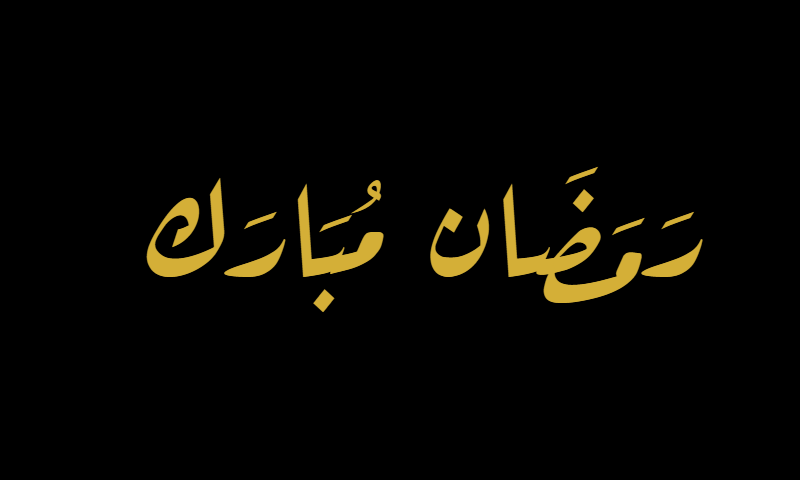
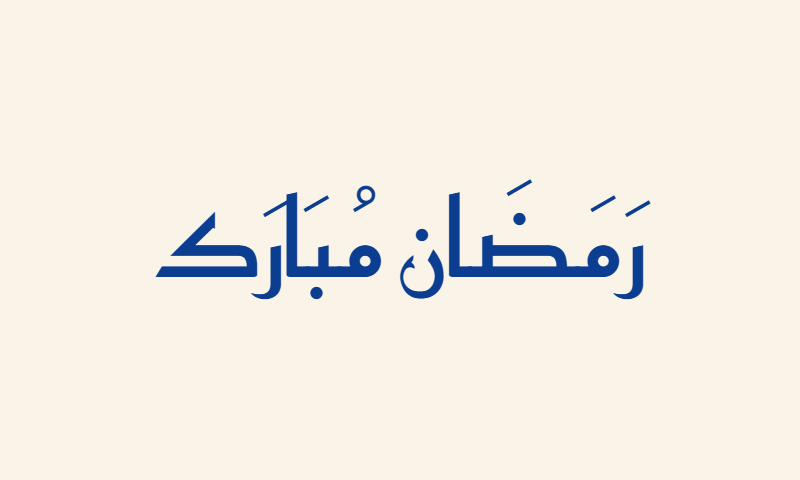
Thuluth · Gold · Formal Iftar invitationThuluth · Black · Community bulletinDiwani · Red · Greeting cardDiwani · Gold · Luxury Iftar inviteKufic · Black · Instagram StoryKufic · Navy · Bookmark designNaskh · Green · WhatsApp statusNaskh · Black · Community posterNastaliq · Purple · Persian-style cardRuqaa · Charcoal · Journal coverAref Ruqaa · Burgundy · Textile bannerCairo · Teal · Digital bannerAmiri · Sepia · Vintage printReem Kufi · Emerald · Ceramic tileMarkazi · Black · Poster designNoto Kufi · Copper · Metal plaqueScheherazade · Gold · Premium cardLateef · Silver · Modern artThuluth · Green · Prayer mat designDiwani · Rose gold · Luxury Iftar card
Frequently Asked Questions
What does Ramadan Mubarak mean?
+
Ramadan Mubarak (رمضان مبارك) literally means "Blessed Ramadan" — a greeting acknowledging that the holy month is a spiritually sacred time when Allah's blessings, mercy, and forgiveness are especially abundant. Mubarak shares its Arabic root (B-R-K) with the Quranic phrase Tabarak Allah, "Blessed is Allah."
When do we say Ramadan Mubarak?
+
Ramadan Mubarak is spoken throughout the entire month of Ramadan — before Iftar (the sunset meal), after Suhoor (the pre-dawn meal), in mosque gatherings, and in personal messages. It is also common to greet with it in the days leading up to Ramadan and briefly after Eid al-Fitr, when reflecting on the just-ended month.
What is the difference between Ramadan Mubarak and Ramadan Kareem?
+
Both are widely accepted Ramadan greetings. Ramadan Mubarak means "Blessed Ramadan" and centers on the spiritual sacredness of the month. Ramadan Kareem means "Generous Ramadan" and centers on Allah's multiplied rewards. Ramadan Mubarak is slightly more common in South Asian, Turkish, and Gulf communities and in formal religious contexts; Ramadan Kareem is slightly more common in Egyptian and North African usage.
How is Ramadan Mubarak pronounced?
+
Ramadan Mubarak is pronounced ra-ma-DAAN moo-BAA-rak. Stress falls on the last syllable of Ramadan (DAAN) and the middle syllable of Mubarak (BAA). Both stressed vowels are long, like the "a" in "father." The final syllable of Mubarak (rak) is short and clipped.
How do I download Ramadan Mubarak PNG for greeting cards?
+
In the generator above, pick your preferred style (Thuluth or Diwani work well for greeting cards), set the background to Transparent (best for card overlays) or a solid color, then click Download PNG. All downloads are free and no sign-up is required. Use the transparent PNG in Canva, Figma, or Instagram Story to place it over lantern, mosque, or crescent-moon photos.