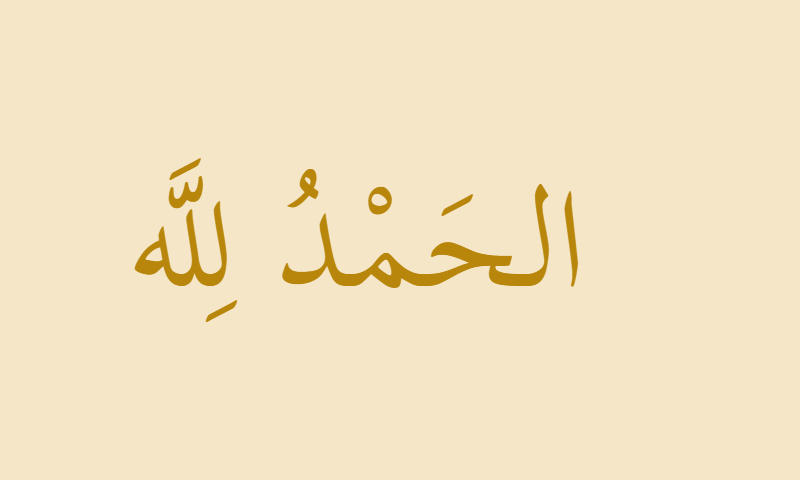
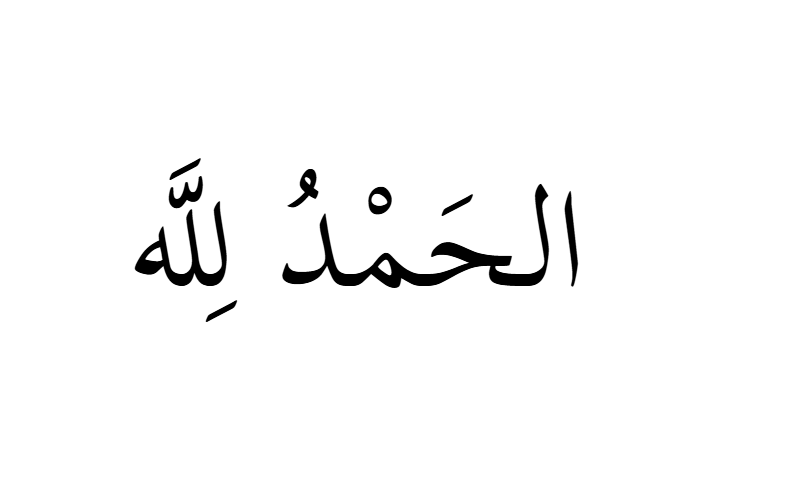
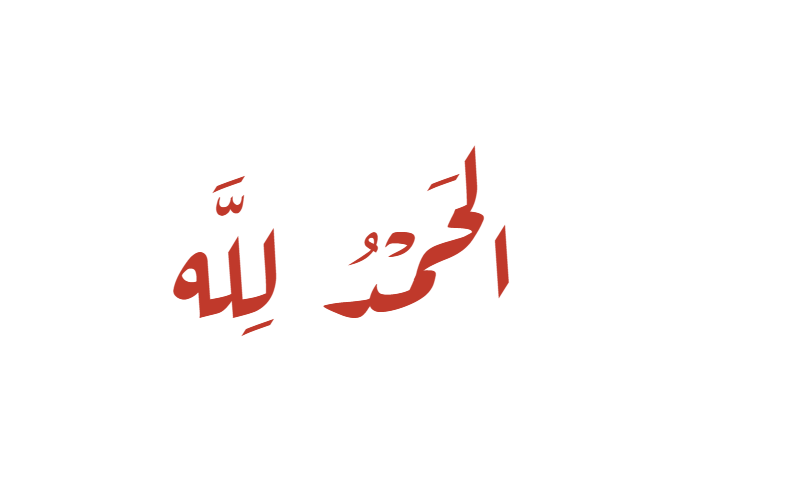
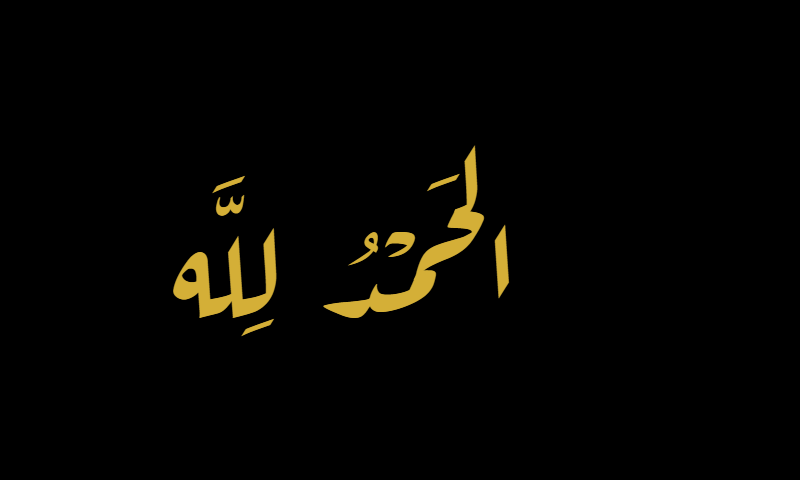
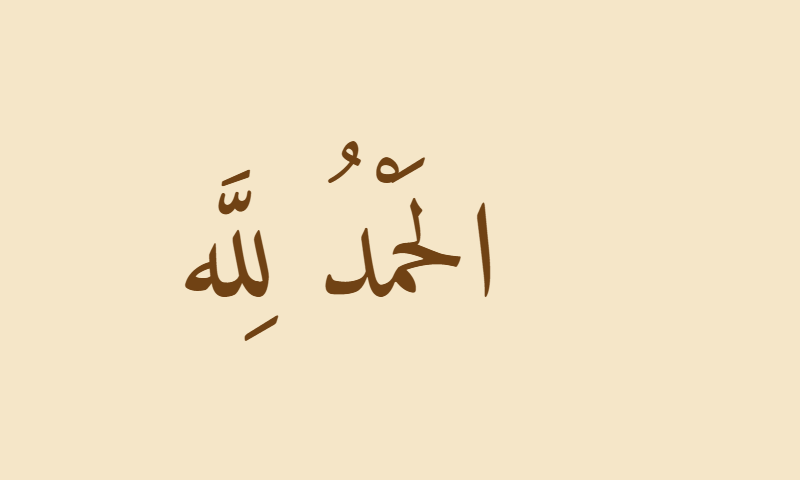
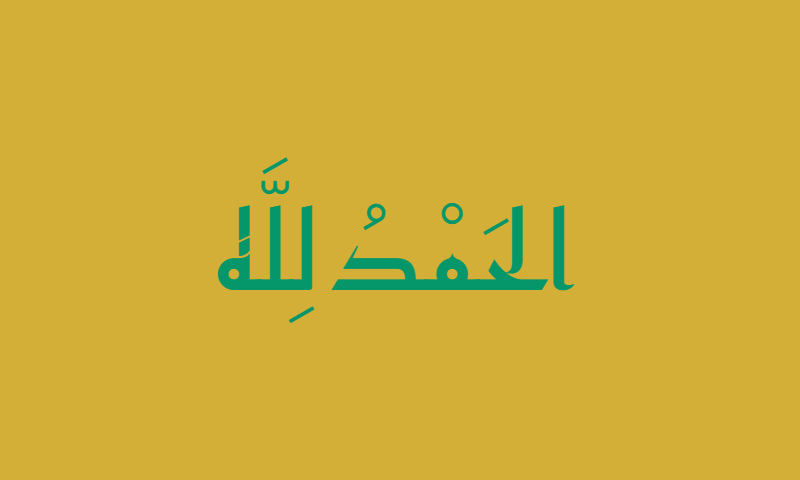
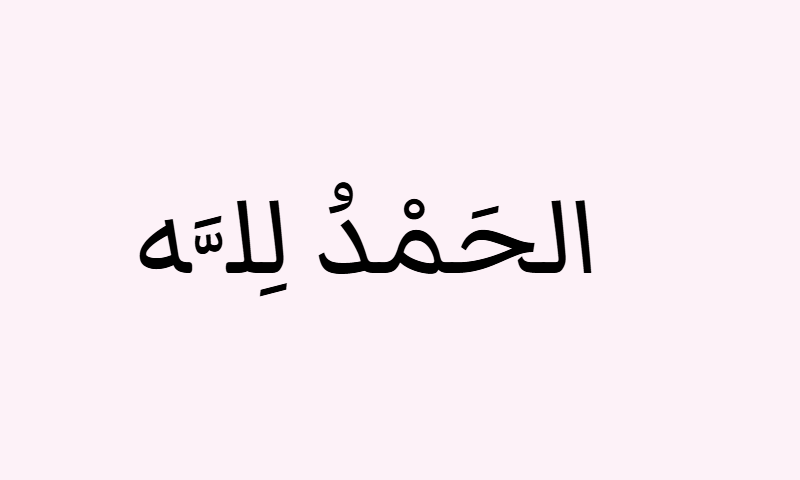
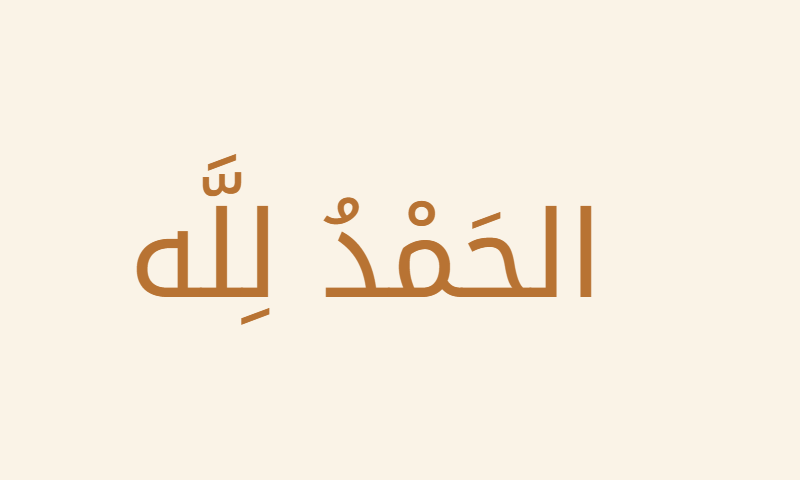
Create Alhamdulillah (الحمد لله) in 11 authentic Arabic calligraphy styles — Thuluth, Kufic, Diwani, Naskh, and more. Perfect for Instagram gratitude posts, phone wallpapers, framed home reminders, and social media graphics. Free PNG, SVG, and JPG download.
✓ 100% Free✓ No Signup✓ SVG Export✓ 11 Styles
Text Input
Font Style
Colors
Transform
Position
Background
WhiteTransparentColorImage
Canvas Size
InstagramFacebookTwitterHD
SquareWideIconBanner
×px
Export
Live Preview800 × 400 px
💡 Drag text to reposition • Use sliders for precise control
Alhamdulillah Calligraphy
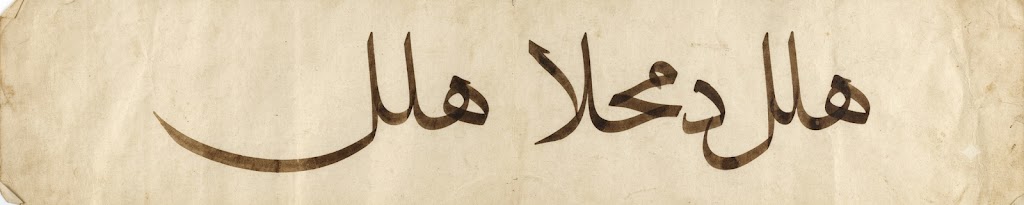
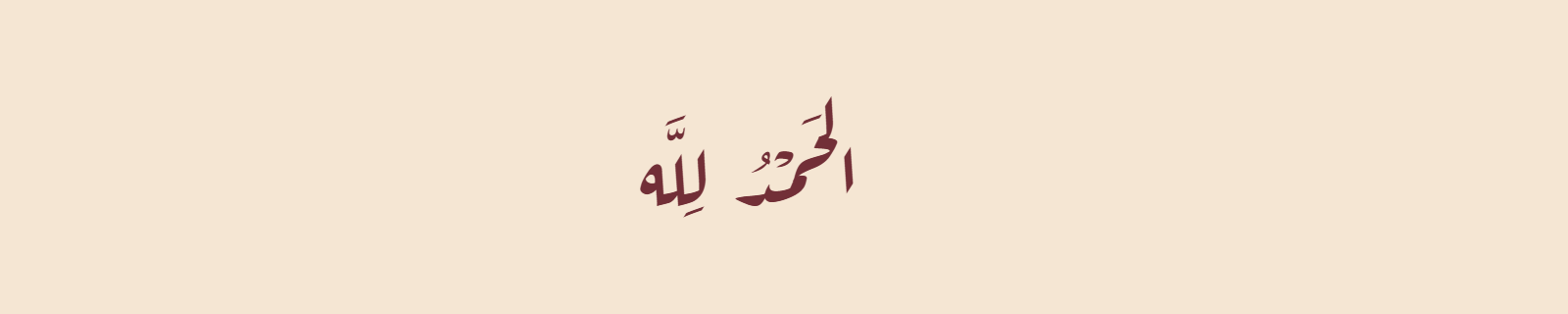
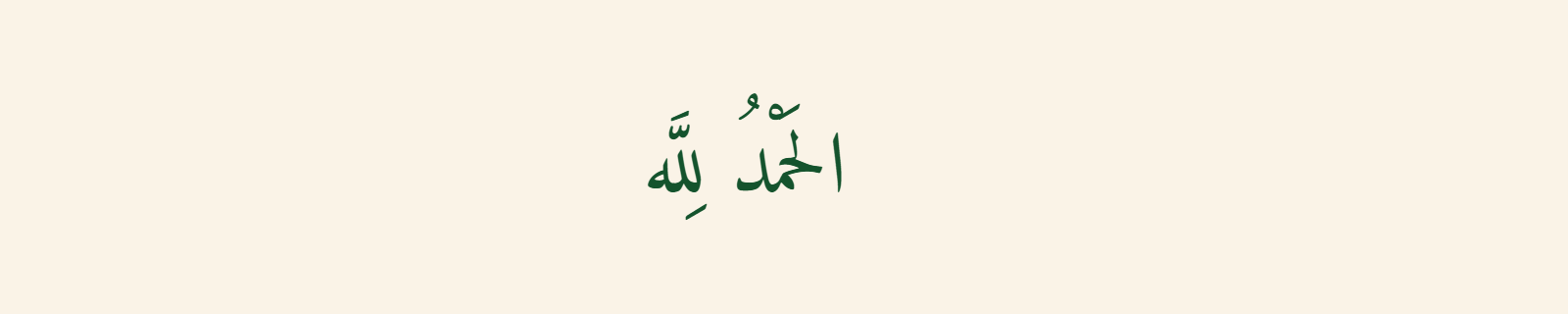
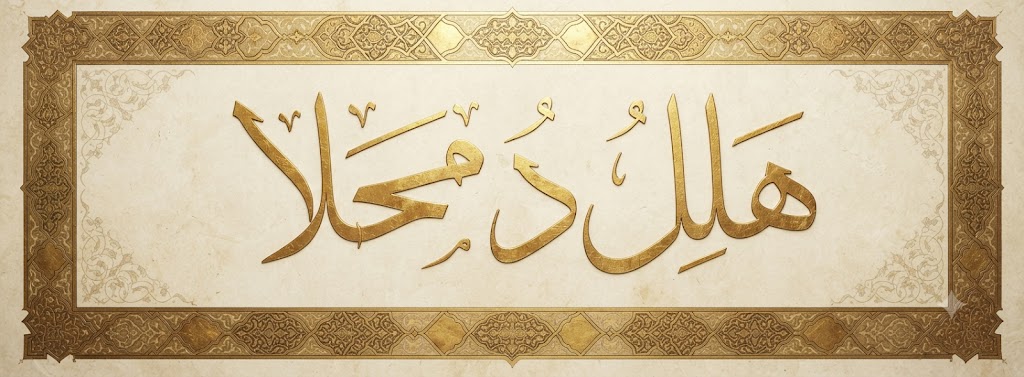
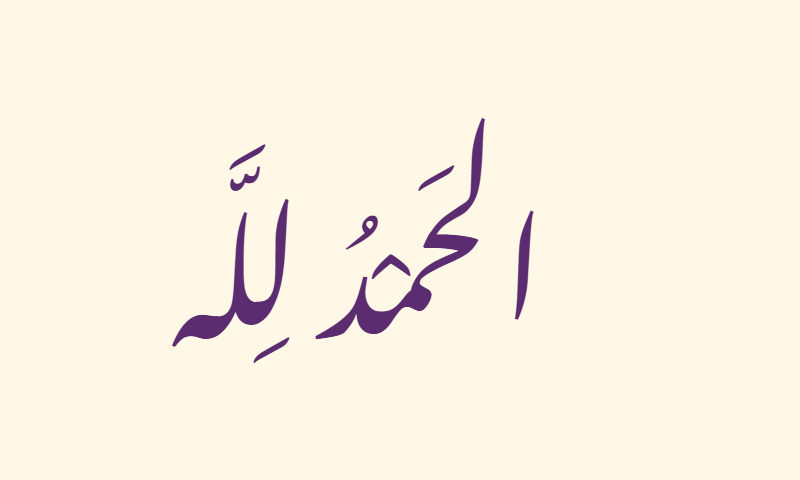
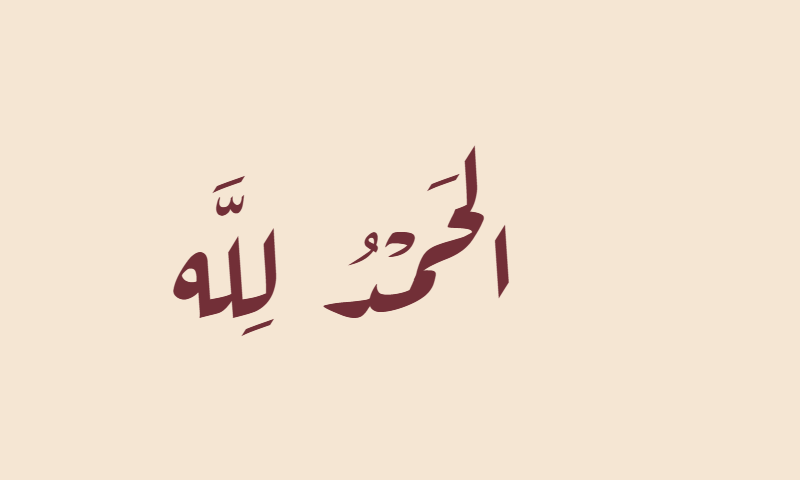
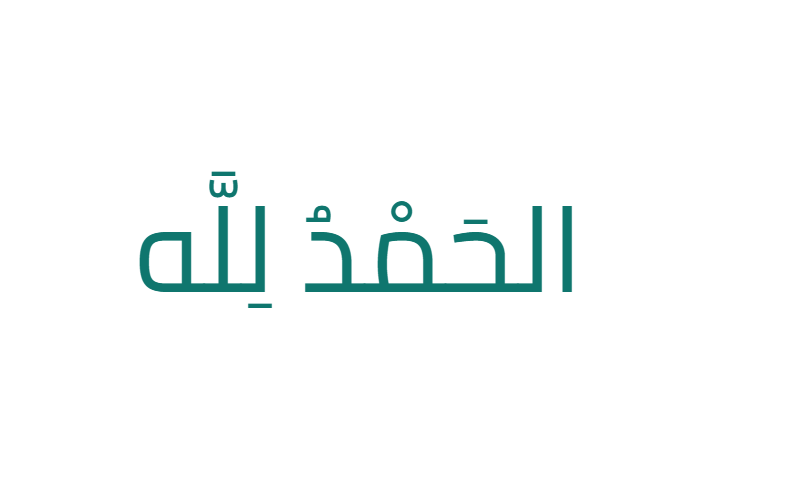
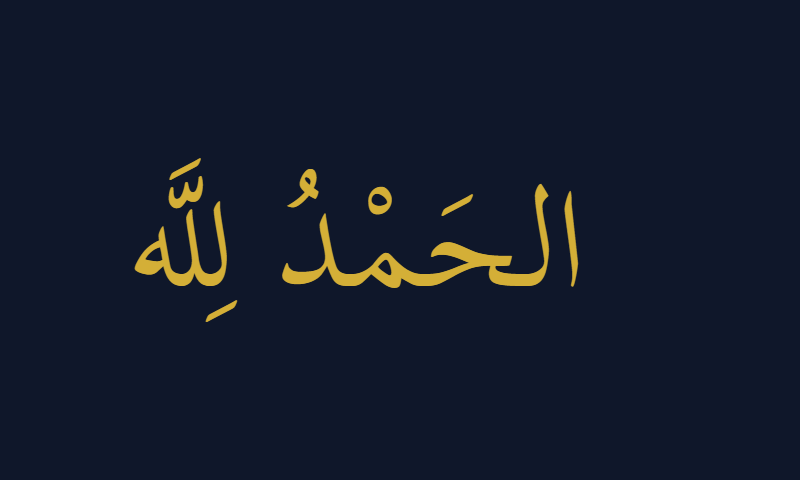
Alhamdulillah (الحمد لله) is one of the most spoken phrases in the Muslim world — a daily expression of gratitude meaning "All praise is for Allah." Rendering it in different Arabic calligraphy traditions gives your gratitude post or wall art a different emotional register: Thuluth carries ceremonial reverence perfect for framed home reminders, Diwani adds courtly warmth for gift prints, Kufic gives a bold modern look for Instagram Stories and streetwear, and Naskh keeps it clean and readable for wide sharing. Try each style in the free Alhamdulillah calligraphy generator above and download the version that fits your intent.
Thuluth Alhamdulillah
Thuluth is the most historically revered style for Alhamdulillah calligraphy, used in mosque decorations and Quranic manuscripts for over a millennium. Its long curving letters give the two-word phrase a sense of ceremonial gravitas — perfect for framed home reminders, gift prints for family, and mosque wall art. Select "Thuluth (Scheherazade)" in the generator above.
Diwani Alhamdulillah
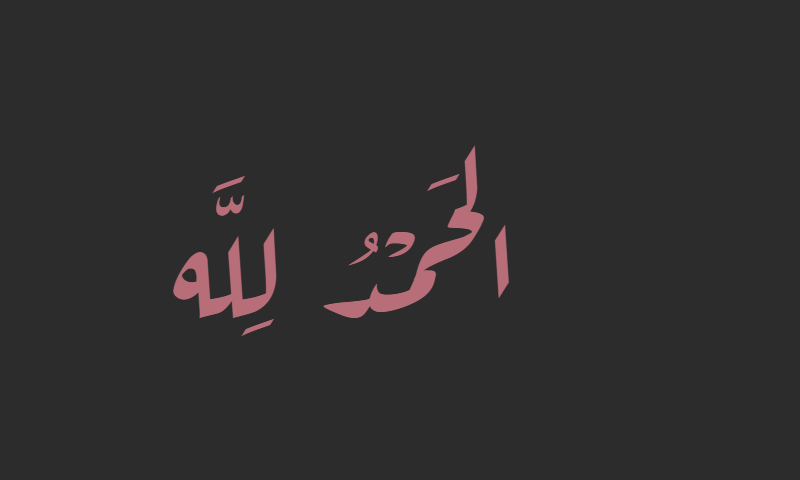
Diwani produces flowing, ornate Alhamdulillah calligraphy originally developed by Ottoman court scribes. Its decorative interlocking curves feel like a handwritten prayer — perfect for gift cards, personal keepsakes, and wedding-anniversary prints. Choose "Diwani (Aref Ruqaa)" in the font dropdown.
Kufic Alhamdulillah
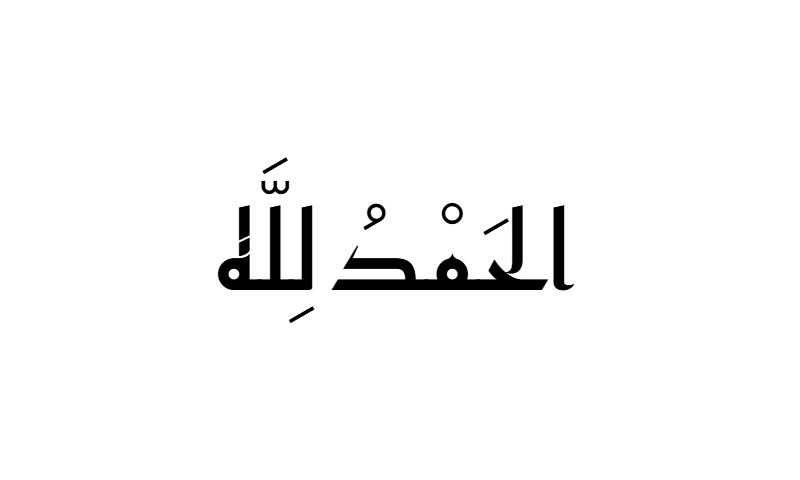
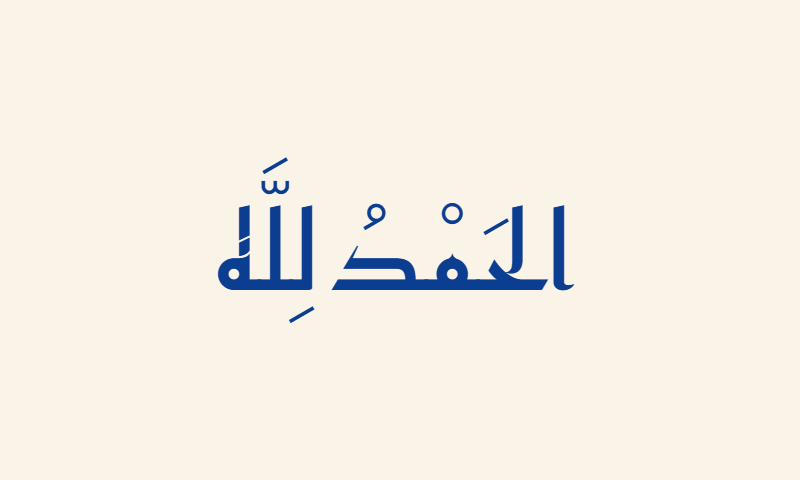
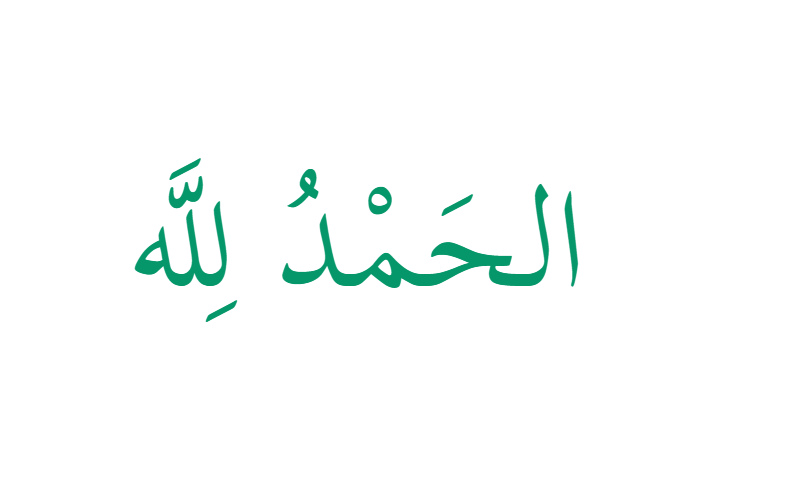
Kufic gives Alhamdulillah bold, angular geometric weight — perfect for modern Instagram gratitude posts, minimalist wall art, and streetwear graphics. Its clean lines work exceptionally well overlaid on nature or lifestyle photos. Select "Kufi (Reem Kufi)" in the generator.
Naskh Alhamdulillah
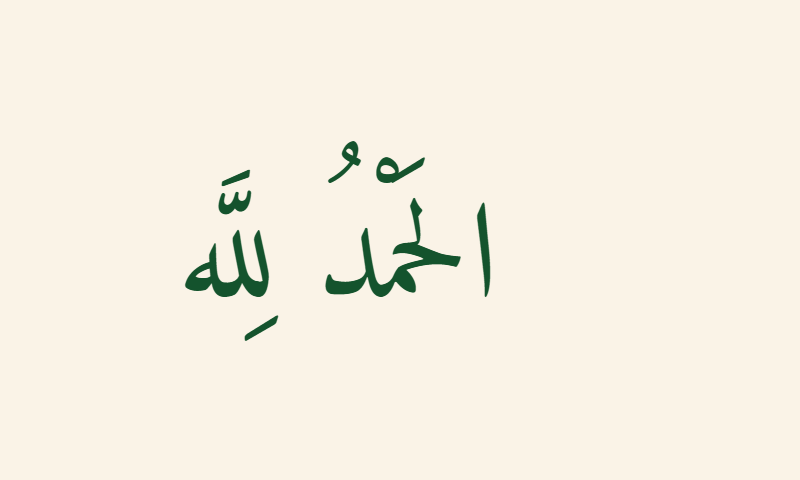
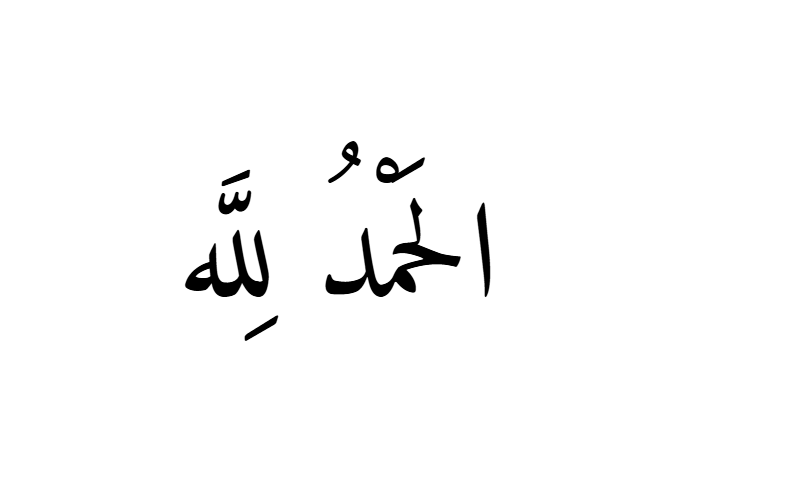
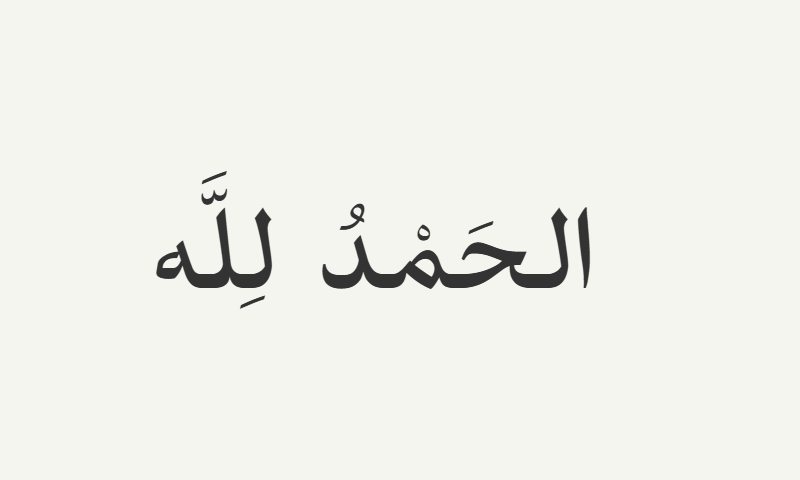
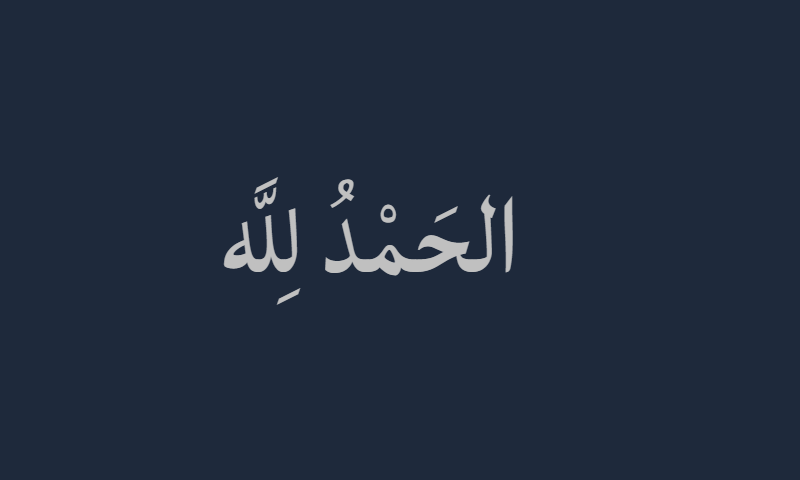
Naskh offers a clean, highly legible Alhamdulillah calligraphy — the same style used in modern Quran printings. It is the safest choice when clarity matters more than decoration, such as WhatsApp messages, family group chats, and educational materials for kids learning the phrase. Choose "Naskh (Amiri)" in the font selector.
Alhamdulillah in Arabic
Alhamdulillah in Arabic is written الحمد لله, composed of three grammatical components fused into two written words: al- (ال, "the"), hamd (حمد, "praise"), and lillah (لله, "for Allah," a contraction of li + Allah). Together they form the phrase "All the praise is for Allah" — a definite, absolute statement that all praise belongs to God alone.
This phrase belongs to a family of three foundational Islamic praise expressions known as the al-Baqiyat al-Salihat (the enduring good deeds): Alhamdulillah (الحمد لله, "praise be to Allah"), Subhanallah (سبحان الله, "glory be to Allah"), and Allahu Akbar (الله أكبر, "Allah is greatest"). Each expresses a different facet of devotion — Alhamdulillah is gratitude, Subhanallah is awe at Allah's perfection, and Allahu Akbar is affirmation of Allah's supreme greatness.
In everyday speech, Alhamdulillah is spoken constantly. After finishing a meal, receiving good news, recovering from illness, completing a task, or even after sneezing (following the Prophet's tradition) — Muslims respond with Alhamdulillah. When rendered in calligraphy, the two-word structure is naturally balanced — a compact right-side word (الحمد) and a slightly longer left-side word (لله) — making it well-suited for horizontal cards and social media graphics.
Alhamdulillah Meaning
Alhamdulillah (الحمد لله) literally means "All praise is for Allah" — a statement of absolute gratitude directing praise to God alone. It is not a wish or a plea; it is an acknowledgment. Whatever good has happened — the meal you just ate, the health you enjoy, the safe arrival home — all of it is a gift from Allah, and Alhamdulillah is the response.
The Arabic root of hamd is H-M-D (ح-م-د), a three-letter root that specifically means "praise offered freely and gratefully." This differs from shukr (شكر, gratitude in response to a specific favor) — hamd is unconditional praise, offered even without a specific benefit received. The al- prefix makes it comprehensive: the praise, meaning all of it belongs to Allah.
In practice, Alhamdulillah is used the way English speakers say "Thank God," "Praise be," or simply an appreciative sigh — but with much greater frequency. A Muslim might say Alhamdulillah dozens of times in a day. It is the first phrase in the Quran (after Bismillah) and appears at the opening of Surah al-Fatiha, recited in every prayer. So when someone answers "How are you?" with "Alhamdulillah," they are not merely saying "fine" — they are affirming that whatever state they are in, Allah is worthy of praise.
Alhamdulillah for Everything
"Alhamdulillah for everything" is one of the most repeated Muslim gratitude phrases in modern social media — an English rendering of the classical Arabic expression الحمد لله على كل حال (Alhamdulillah ala kulli haal), which literally means "Praise be to Allah in every state." The phrase captures a core Muslim philosophy: gratitude that is not conditional on circumstances.
This philosophy comes from a Prophetic teaching that a believer's affairs are always in their benefit — when good comes, they say Alhamdulillah and are rewarded for gratitude; when hardship comes, they say Alhamdulillah and are rewarded for patience. So Alhamdulillah for everything means: praise Allah when you receive the promotion, and praise Allah when you lose the job; praise Allah for the beautiful morning, and praise Allah for the difficult evening; praise Allah in health, and praise Allah in illness. Every state is worthy of the same phrase.
This is why Alhamdulillah calligraphy is popular as Instagram gratitude posts, phone wallpapers, and framed home reminders. Seeing the word throughout the day is a spiritual anchor — a reminder to pause and thank Allah regardless of what the moment brings. Related praise combinations you may hear: SubhanAllah wa bihamdihi (glory and praise to Allah), Subhanallah Alhamdulillah Allahu Akbar (glorification + praise + magnification, the classic three-part dhikr), and Alhamdulillah rabbil alameen (praise be to Allah, Lord of the worlds — from Surah al-Fatiha).
Alhamdulillah Pronunciation
Alhamdulillah is pronounced "al-ham-doo-LIL-lah" — five syllables with the main stress on the fourth syllable "LIL." Break it down: al- (the) + hamd (praise, said quickly as "hamd" in one syllable with a soft "d") + u (a short vowel connector) + lil-lah (for Allah, with a slightly held double L in the middle).
Common mispronunciations to avoid: (1) "al-ham-dul-LEE-lah" — the middle vowel is short "u" not long "ee"; (2) "al-HAM-do-lil-lah" — the stress belongs on LIL, not HAM. The final h is a soft breathy exhale (Arabic ه), not the sharp English "H" — think of ending on a gentle sigh rather than a hard consonant. In quick daily speech many speakers compress it into "hamdulillah" (dropping the initial al-), which is casually acceptable but the full al-Hamdulillah is the classical form.
Featured Alhamdulillah Calligraphy Designs
Hand-picked Alhamdulillah designs across styles, colors, and use cases — from Instagram gratitude posts and phone wallpapers to framed home reminders and streetwear prints. Designs refresh on each visit.
Thuluth · Gold · Framed home reminderThuluth · Black · Wall artDiwani · Red · Gift cardDiwani · Gold · Luxury printKufic · Black · Instagram postKufic · Navy · StreetwearNaskh · Green · Journal coverNaskh · Black · Kids learningNastaliq · Purple · Poetry cardRuqaa · Charcoal · Gratitude journalAref Ruqaa · Burgundy · Textile printCairo · Teal · Phone wallpaperAmiri · Sepia · Vintage printReem Kufi · Emerald · Ceramic tileMarkazi · Black · Rose posterNoto Kufi · Copper · Metal plaqueScheherazade · Gold · Premium printLateef · Silver · Modern wall artThuluth · Green · Prayer matDiwani · Rose gold · Luxury card
Frequently Asked Questions
What does Alhamdulillah mean?
+
Alhamdulillah (الحمد لله) means "All praise is for Allah" — an absolute statement of gratitude directing praise to God alone. It is composed of al- (the) + hamd (praise) + lillah (for Allah). Muslims say it constantly: after eating, receiving good news, recovering from illness, or completing any task.
When do we say Alhamdulillah?
+
Alhamdulillah is spoken all day long. Standard occasions: after eating, after sneezing (following the Prophet's tradition), when receiving good news, when someone asks "How are you?" as a reply, after recovering from illness, when completing a task, and generally any time gratitude arises. It is also the first word of Surah al-Fatiha, recited in every Islamic prayer.
What's the difference between Alhamdulillah, Subhanallah, and Allahu Akbar?
+
All three are foundational Islamic praise expressions. Alhamdulillah (praise be to Allah) is gratitude for gifts received and hardships endured. Subhanallah (glory to Allah) is awe at Allah's perfection and transcendence. Allahu Akbar (Allah is greatest) affirms Allah's supreme greatness above all. Together they form the classical dhikr (remembrance) recited by Muslims after every prayer.
What does "Alhamdulillah for everything" mean?
+
"Alhamdulillah for everything" is a modern English rendering of the classical الحمد لله على كل حال (Alhamdulillah ala kulli haal), meaning "Praise be to Allah in every state." It expresses a core Muslim philosophy: gratitude that isn't conditional on circumstances. Say Alhamdulillah in ease, and say Alhamdulillah in hardship — both states are worthy of the same praise.
Which calligraphy style is best for Alhamdulillah?
+
Thuluth is most traditional and reverent — perfect for framed home reminders and family gifts. Diwani offers ornate courtly warmth — perfect for gift cards and personal keepsakes. Kufic gives a bold modern geometric look — perfect for Instagram gratitude posts and streetwear graphics. Naskh keeps it clean and readable — perfect for wide sharing and educational materials.