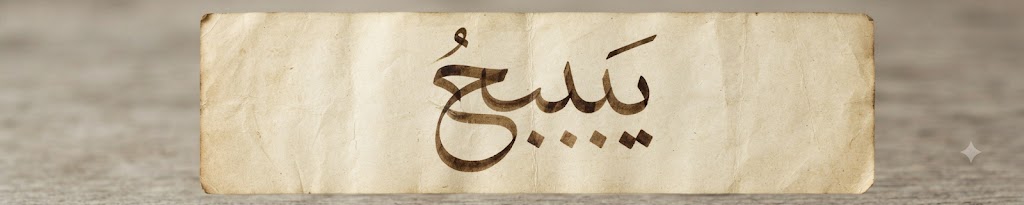
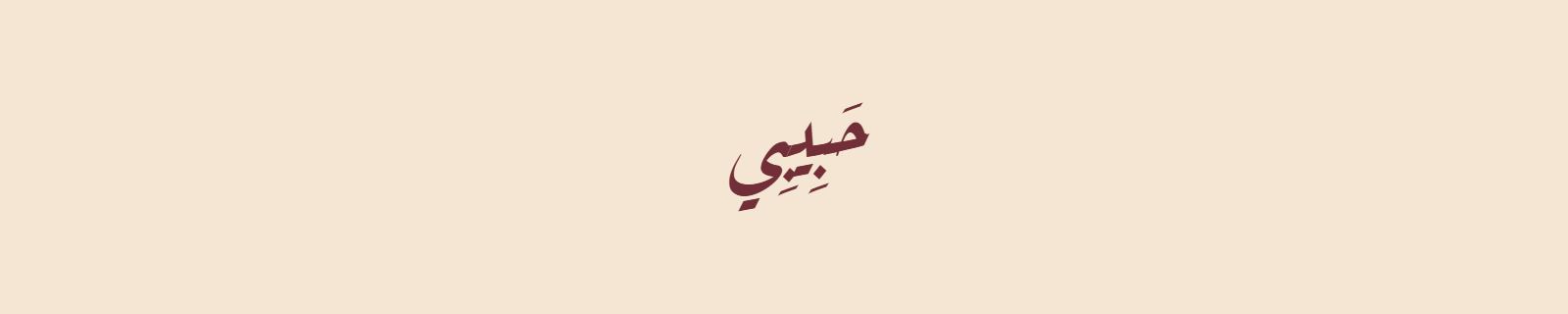
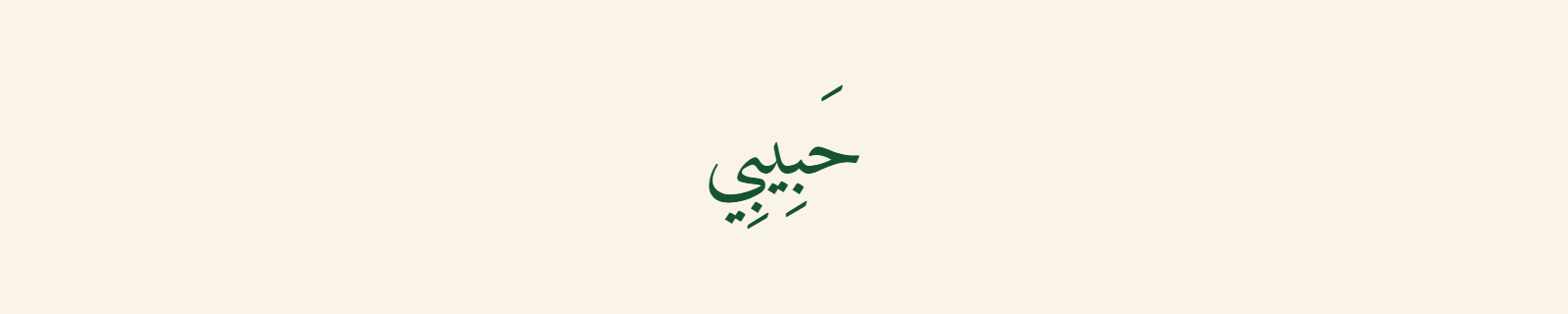
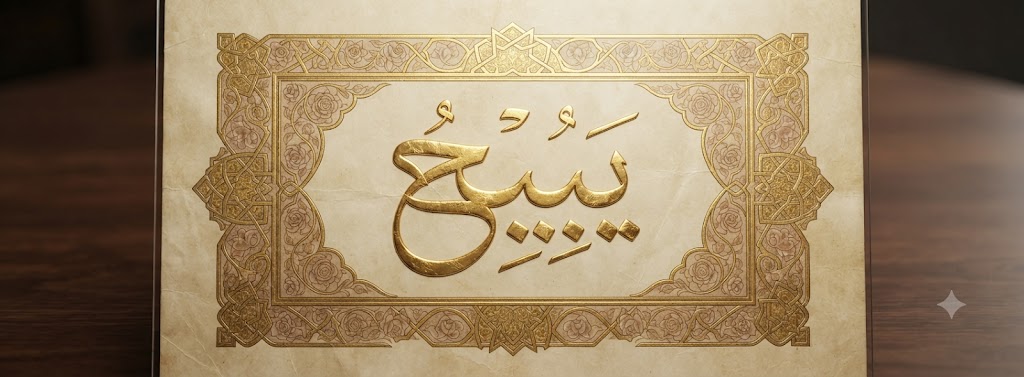
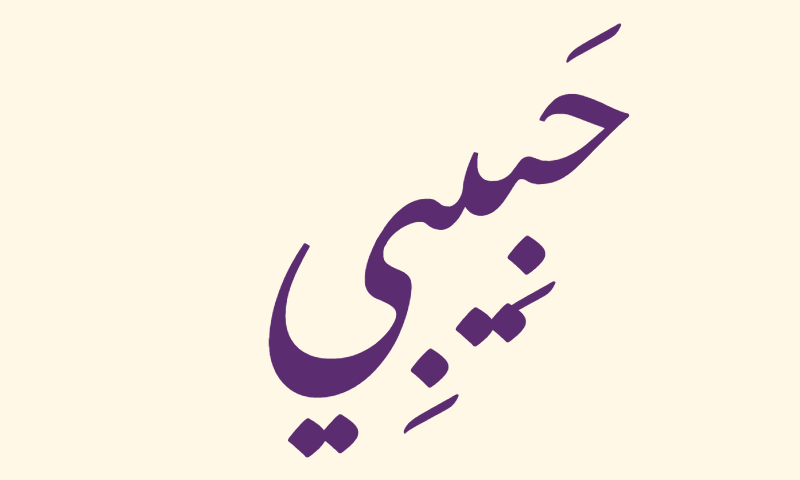
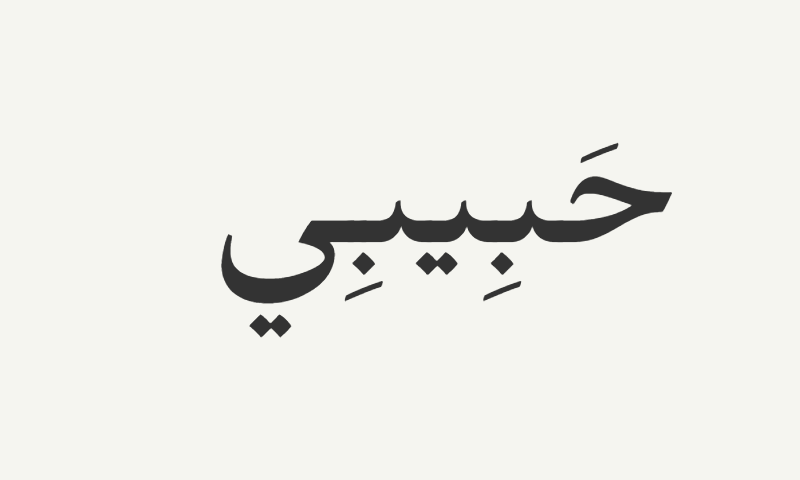
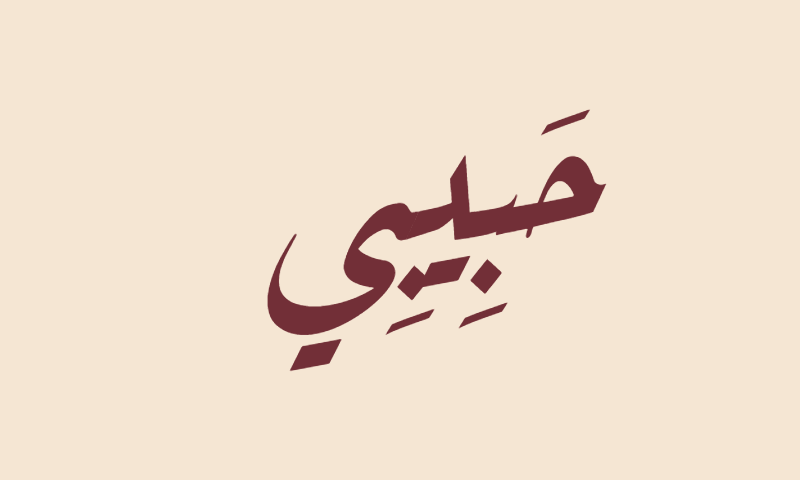
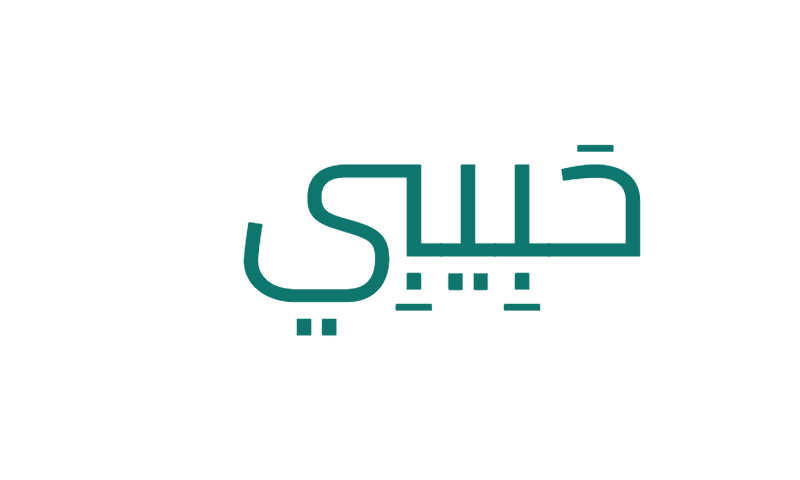
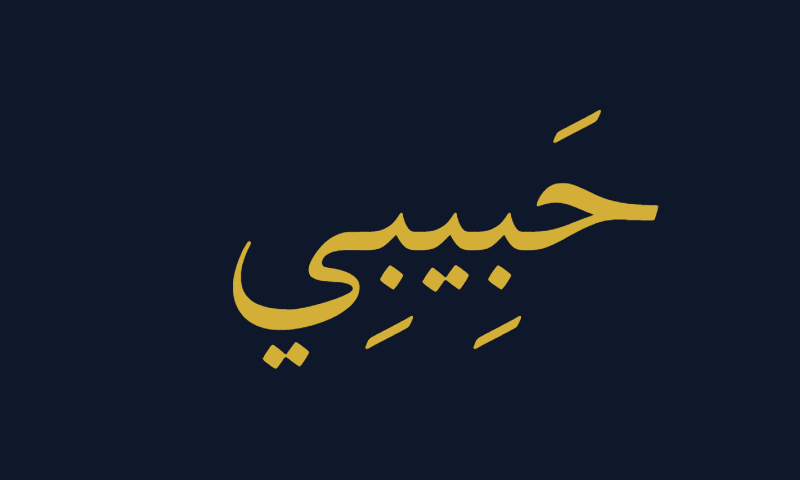
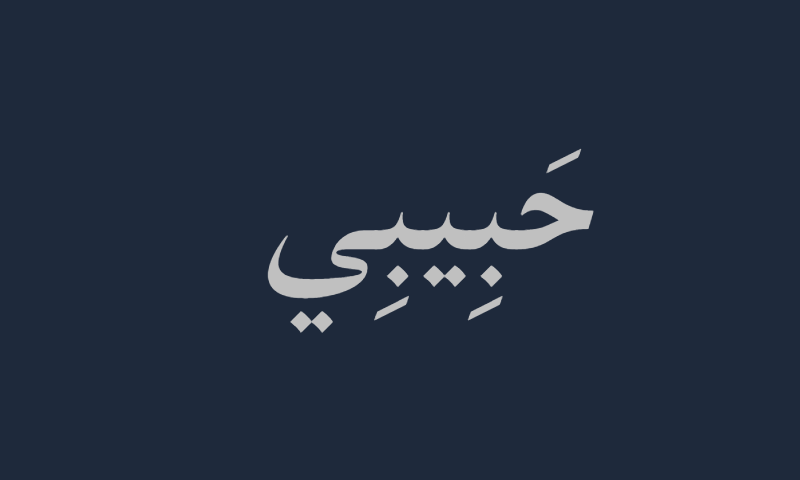
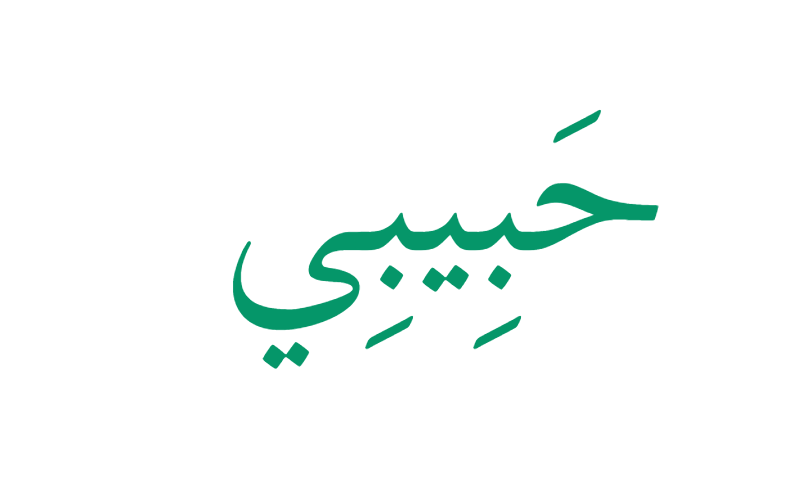
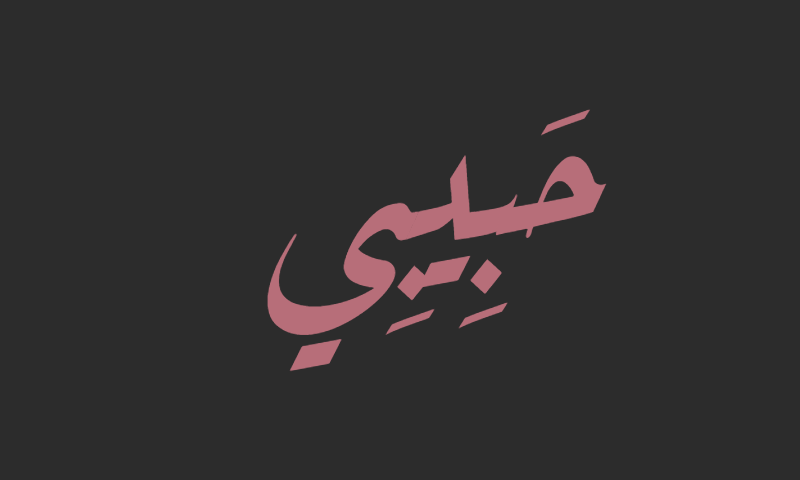
Create Habibi (حبيبي) in 11 authentic Arabic calligraphy styles — Thuluth, Kufic, Diwani, Naskh, and more. Perfect for love notes, Instagram Stories, wedding cards, tattoo reference, and social graphics. Free PNG, SVG, and JPG download.
✓ 100% Free✓ No Signup✓ SVG Export✓ 11 Styles
Text Input
Font Style
Colors
Transform
Position
Background
WhiteTransparentColorImage
Canvas Size
InstagramFacebookTwitterHD
SquareWideIconBanner
×px
Export
Live Preview800 × 400 px
💡 Drag text to reposition • Use sliders for precise control
Habibi Arabic Calligraphy
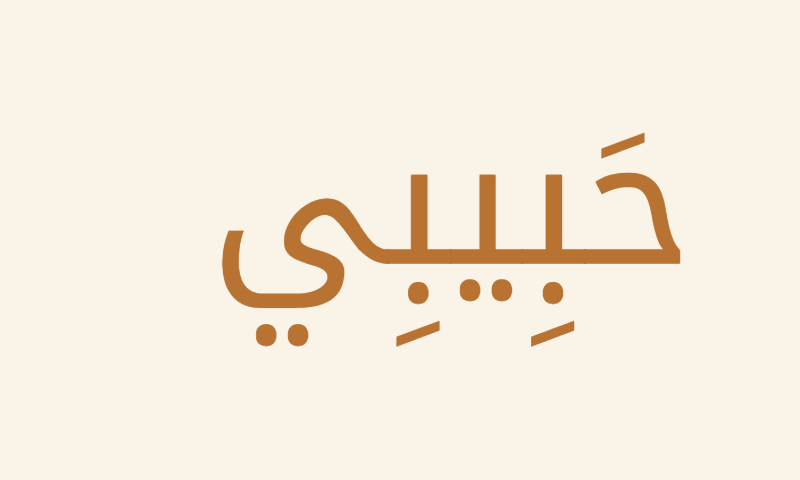
Habibi (حبيبي) is one of the most iconic Arabic words in global pop culture — an affectionate term of endearment meaning "my beloved." Rendering it in different Arabic calligraphy traditions gives your love note or Instagram post a different emotional register: Thuluth carries ceremonial romance perfect for wedding-day gifts, Diwani adds courtly warmth for elegant love letters, Kufic gives a bold modern look for social media graphics, and Naskh keeps it clean and readable for tattoo reference. Try each style in the free Habibi calligraphy generator above and download the version that fits your intent.
Thuluth Habibi
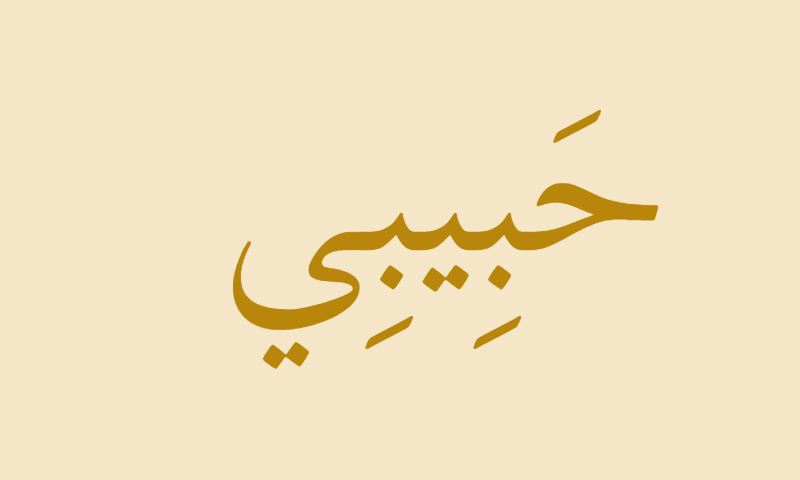
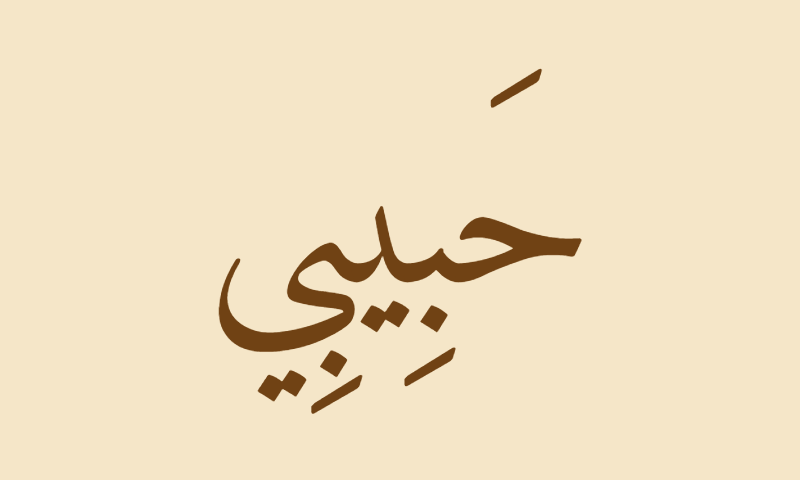
Thuluth is the most historically revered calligraphy style, giving Habibi a ceremonial gravitas that feels almost sacred. Its long curving letters turn the compact five-letter word حبيبي into a monumental composition — perfect for wedding gifts, anniversary art, or a framed piece for a beloved partner. Select "Thuluth (Scheherazade)" in the generator above.
Diwani Habibi
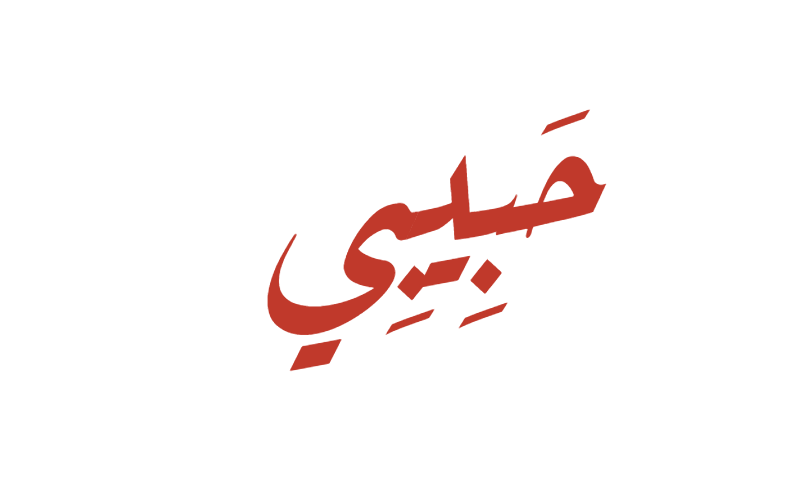
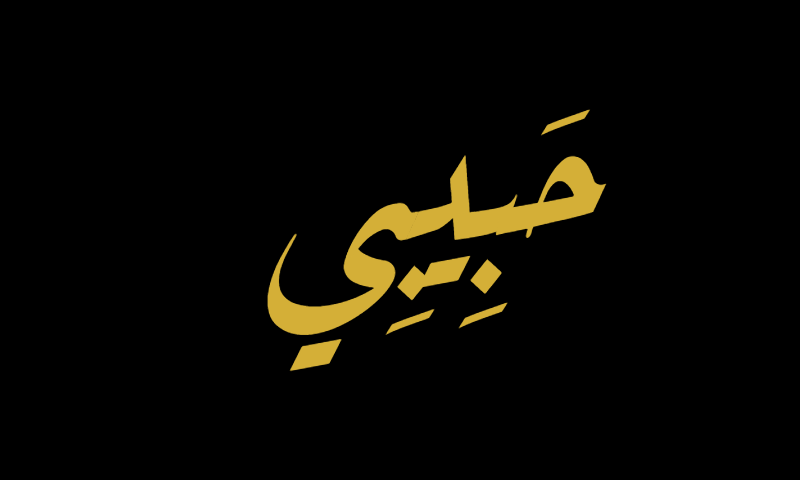
Diwani transforms Habibi into a flowing, ornate composition originally developed by Ottoman court scribes. Its decorative interlocking curves feel like a love letter written in gold ink — ideal for wedding invitations, anniversary cards, and romantic gift prints. Choose "Diwani (Aref Ruqaa)" in the font dropdown.
Kufic Habibi
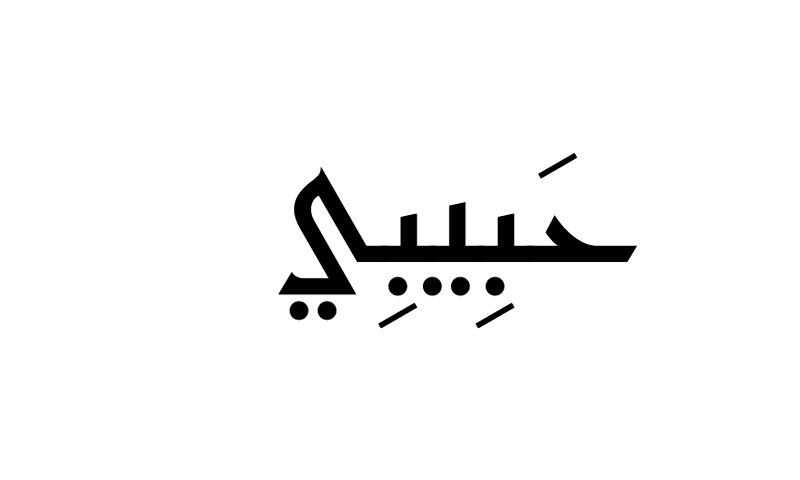
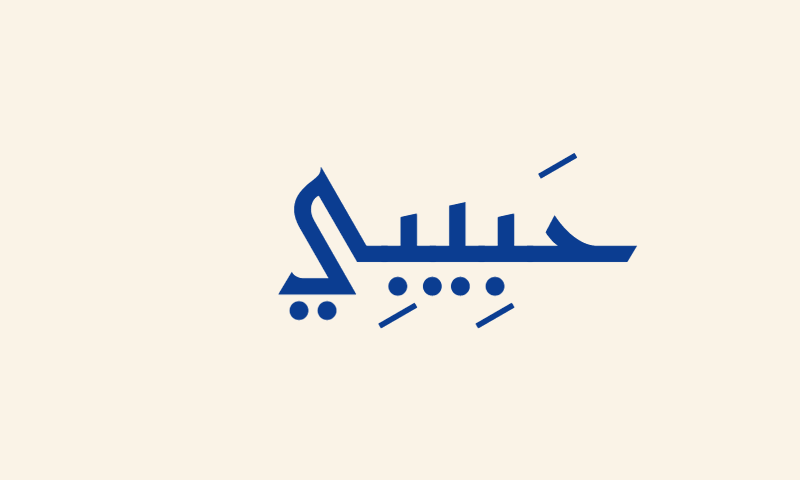
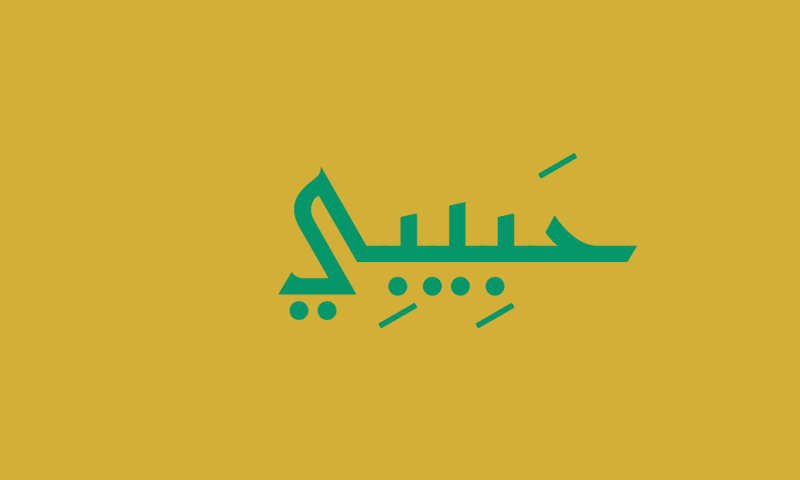
Kufic gives Habibi bold, angular geometric weight — the same style used on early Islamic architecture and modern minimalist design. It works exceptionally well for Instagram Stories, wall art, tattoo reference, and streetwear graphics. Select "Kufi (Reem Kufi)" or "Noto Kufi Arabic" in the generator.
Naskh Habibi
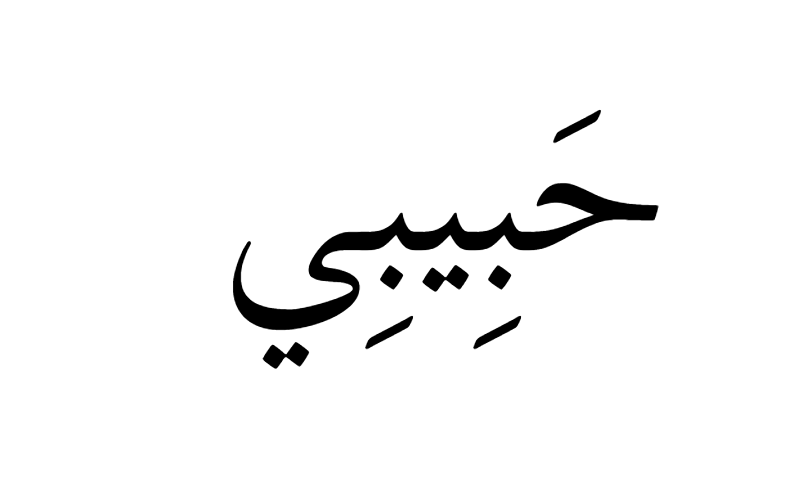
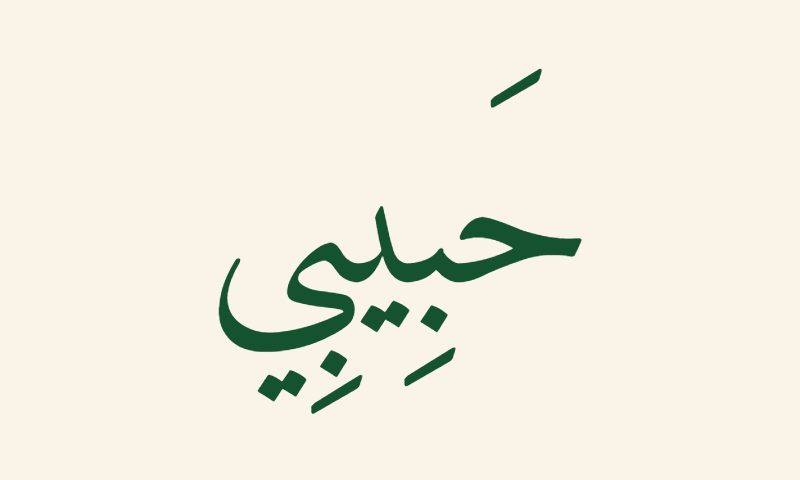
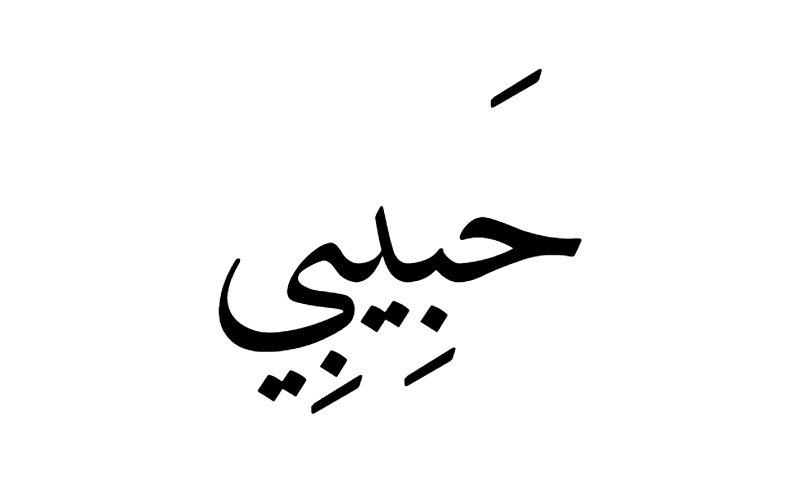
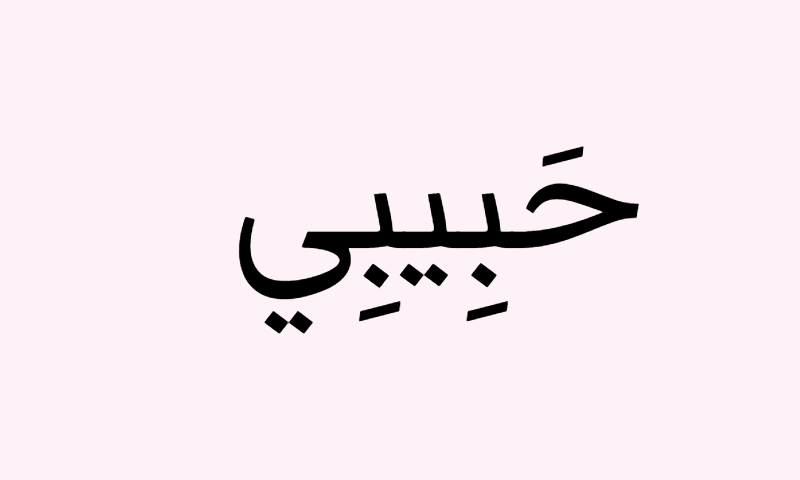
Naskh offers a clean, highly legible Habibi — the same script used in modern Quran printings and daily Arabic reading. It is the safest choice when clarity matters more than decoration, such as tattoos, learning material, or family cards where the word needs to be immediately recognizable. Choose "Naskh (Amiri)".
Habibi in Arabic
Habibi in Arabic is written حبيبي — just five letters, but visually one of the most recognized Arabic words in the world. It is composed of the noun habib (حبيب, "beloved") plus the possessive suffix -i (ي, "my") — literally "my beloved." The masculine form Habibi is used when addressing a man, a boy, or in some contexts a group.
The feminine equivalent is Habibti (حبيبتي), used when addressing a woman or girl. In everyday Arabic, both forms are used far more broadly than the English word "darling" — an Arab father might call his daughter Habibti, two male friends casually call each other Habibi, and a shopkeeper might address a customer as Habibi to sound warm and welcoming. The word carries affection but is not exclusively romantic.
Related forms include the plural Habaybi (حبايبي, "my beloveds") and the root noun Hubb (حب, "love"). All share the same triliteral Arabic root H-B-B, which conveys the concept of love in all its forms — familial, platonic, and romantic. When rendered in calligraphy, the compact word خبيبي has a natural balance that suits both intimate cards and bold social graphics.
Habibi Meaning
Habibi (حبيبي) literally means "my beloved" — but its actual usage is much broader and warmer than the English translation suggests. In Arabic-speaking cultures, Habibi is used casually between friends, family members, colleagues, and romantic partners. A close friend might call you Habibi, your mother might call you Habibi, and your partner might call you Habibi — all in the same afternoon.
The emotional register depends on context. Between friends, Habibi is like the English "buddy" or "mate" — warm but not romantic. Between family, it is deeply affectionate like "my love" for a child. Between romantic partners, it carries the full weight of "my darling / my beloved." The same five letters cover all these registers because Arabic culture treats verbal warmth as everyday etiquette, not a rare declaration.
The word comes from the Arabic root H-B-B (ح-ب-ب), the same root as hubb (حب, "love"). This root appears in many related words: habib (beloved), mahboob (the loved one), ihbab (making someone beloved). So when someone calls you Habibi, they are essentially saying "you who I hold in love" — a small phrase carrying an ancient root.
Yalla Habibi
Yalla Habibi (يلا حبيبي) is one of the most exported Arabic phrases in global pop culture. It means "Come on, my friend!" or "Let's go, darling!" — an affectionate, energetic call to action used between friends, partners, and colleagues alike.
Yalla (يلا) itself is a contraction of the Arabic ya Allah (يا الله, "O God"), which over centuries drifted from a prayer into a casual "come on, hurry up, let's go." Paired with Habibi, it produces a warm command — the difference between "hurry up" (impersonal) and "come on darling" (affectionate). Common variations include Yalla Habibti (feminine "come on, darling"), Yalla Yalla Habibi (extra emphatic), and Yalla bye habibi (a goodbye).
The phrase entered global pop culture through several channels: DJ Khaled uses it constantly in songs and Instagram; Netflix released a reality series titled Love Is Blind: Habibi (the Arabic edition); Qatar's 2022 World Cup opening chants used "Yalla" heavily; and Arab-American musicians and TikTokers scattered the phrase across English content until it became widely recognized even by non-Arabic speakers. When rendered in calligraphy — especially bold Kufic — Yalla Habibi makes striking wallpaper, Instagram Story overlays, and streetwear prints.
Habibi Pronunciation
Habibi is pronounced "ha-BEE-bee" — three syllables with the stress on the middle "BEE." The first H is a soft breathy sound (the Arabic ح, halfway between an English H and a whispered exhale). The doubled bb in the middle is held slightly longer than an English B — this doubling comes from the Arabic shadda ّ that marks emphasis on the letter.
Yalla Habibi is pronounced "YA-lla ha-BEE-bee" — the Yalla flows quickly into Habibi with almost no pause, giving the phrase its characteristic energy. In casual speech, the two words often blur into a single rhythmic call: "yallahabibi." Feminine Habibti is pronounced "ha-BEEB-tee" with the T softened into a light dental sound.
Featured Habibi Calligraphy Designs
Hand-picked Habibi designs across styles, colors, and use cases — from wedding gifts and love notes to Instagram graphics and streetwear prints. Designs refresh on each visit.
Thuluth · Gold · Wedding giftThuluth · Black · Tattoo referenceDiwani · Red · Valentine cardDiwani · Gold · Anniversary printKufic · Black · Streetwear printKufic · Navy · Instagram StoryNaskh · Green · Journal coverNaskh · Black · Study referenceNastaliq · Purple · Poetry cardRuqaa · Charcoal · Love noteAref Ruqaa · Burgundy · Framed printCairo · Teal · Digital bannerAmiri · Sepia · Vintage love noteReem Kufi · Emerald · Home decorMarkazi · Black · Rose posterNoto Kufi · Copper · Metal plaqueScheherazade · Gold · Luxury cardLateef · Silver · Modern wall artThuluth · Green · Botanical printDiwani · Rose gold · Wedding invite
Frequently Asked Questions
What does Habibi mean?
+
Habibi (حبيبي) means "my beloved" in Arabic, derived from habib (beloved) + -i (my). It is used casually and widely — between friends, family, colleagues, and romantic partners. Emotional intensity depends on context, from friendly "buddy" to romantic "darling."
Is Habibi masculine or feminine?
+
Habibi (حبيبي) is the masculine form, used when addressing a man, a boy, or a mixed group. The feminine form is Habibti (حبيبتي), used when addressing a woman or girl. In Arab culture both forms are used far more broadly than English romantic terms — a father calls his daughter Habibti, two male friends call each other Habibi.
Can non-Arabs use Habibi?
+
Yes, Habibi is widely used by non-Arabs and is accepted in most social settings. It has entered global pop culture through music (DJ Khaled), TV (Netflix Love Is Blind Habibi), and sports (2022 Qatar World Cup). Use it warmly and it will land warmly. Just match the gender: Habibi for a man, Habibti for a woman.
What does Yalla Habibi mean?
+
Yalla Habibi (يلا حبيبي) means "Come on, my friend!" or "Let's go, darling!" — an affectionate call to action. Yalla itself contracts from ya Allah (O God), evolved into a casual "come on, hurry up." Paired with Habibi it becomes a warm, energetic command popular in Arab pop culture and increasingly in global music.
Which Arabic calligraphy style is best for Habibi?
+
Thuluth is romantic and ceremonial — perfect for wedding gifts and anniversaries. Diwani offers ornate courtly warmth — perfect for love letters and greeting cards. Kufic gives a bold modern geometric look — perfect for Instagram graphics, streetwear, and tattoo reference. Naskh keeps it clean and readable — perfect for study and family cards.