Thuluth Calligraphy: History, Fonts, and Free Generator
Explore Thuluth (ثلث) — the most historically revered Arabic calligraphy script. Learn its 1,000-year history, distinctive letter design, and use across mosques, Qur'anic manuscripts, and modern Islamic art. Generate Thuluth calligraphy free — no sign-up.
✓ 100% Free✓ No Signup✓ SVG Export✓ 11 Styles
Text Input
Font Style
Colors
Transform
Position
Background
WhiteTransparentColorImage
Canvas Size
InstagramFacebookTwitterHD
SquareWideIconBanner
×px
Export
Live Preview800 × 400 px
💡 Drag text to reposition • Use sliders for precise control
What is Thuluth Calligraphy?
Thuluth calligraphy (خط الثلث) is one of the six classical Arabic scripts and, by most measures, the most historically revered. Its name comes from the Arabic word thuluth (ثلث) meaning "one third" — a reference to the width of the reed pen (qalam) traditionally used to write it, which is one-third the width of a full-width pen. In its hand-drawn classical form, this proportion produces the elegant elongated strokes and expressive letter forms seen in the great mosques of the Islamic world.
Thuluth is the script traditionally used in mosque inscriptions, Qur'anic chapter headings, and Islamic manuscripts across the Muslim world. The interior of the Ka'aba in Mecca, the Prophet's Mosque in Medina, the Blue Mosque in Istanbul, and countless smaller masjids all feature classical Thuluth as their primary decorative script. When people picture ornate "Arabic calligraphy" in their minds, they are often picturing hand-drawn Thuluth.
In modern digital use, Thuluth-style rendering is most commonly done with Scheherazade New, the free OpenType font used by the generator on this page. Scheherazade New is designed in a clean cursive style rooted in the Naskh and Thuluth tradition — it captures the flowing spirit of classical Thuluth while remaining highly legible on screens. For dramatic hand-drawn classical Thuluth (with extreme thick-thin contrast), a specialized calligrapher or a paid ornate font would be required — but Scheherazade New is the best free approximation and is what the tool below produces.
Thuluth Script Characteristics
In its classical hand-drawn form, the Thuluth script is recognizable by five traditional characteristics — some of which appear more strongly in ornate hand-written manuscripts than in modern digital rendering:
1. Elongated letter forms — Thuluth letters are proportionally taller than utilitarian scripts like Ruq'ah. The vertical letters (alif, lam, ta, kaf) rise gracefully; the curved letters (nun, ya, ra) sweep in generous arcs. 2. Thick-thin stroke variation — the traditional reed pen produces weight variation across strokes. Hand-drawn classical Thuluth shows dramatic contrast; digital fonts like Scheherazade New present a more even, clean-lined rendering suitable for on-screen legibility. 3. Elegant letter joining — where letters connect, Thuluth uses flowing joins that create a graceful rhythm across the line. Ornate hand-drawn versions add decorative overlaps. 4. Full harakat (vowel marks) — Thuluth freely uses the complete set of Arabic vowel and diacritic marks, giving the composition a rich vertical texture above the base letters. 5. Compositional flexibility — Thuluth accommodates both horizontal single-line inscriptions and dense vertically-stacked compositions where words weave together in intricate visual patterns.
These qualities make classical hand-drawn Thuluth slow to produce (a single word can take a master calligrapher an hour or more) but exceptionally beautiful. This is why Thuluth is reserved for formal, decorative, and devotional purposes — not everyday handwriting. Digital Thuluth-style fonts like Scheherazade New give you an accessible, legible approximation for free everyday use.
Thuluth Font & Downloads
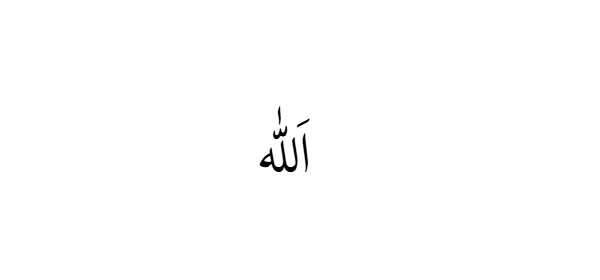
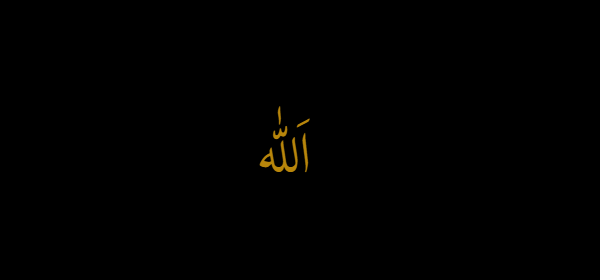
Transparent PNGWhite backgroundBlack background
For digital Thuluth-style calligraphy, the best freely available font is Scheherazade New — a modern OpenType font designed by SIL International in a clean cursive style rooted in the classical Naskh and Thuluth tradition. Scheherazade New supports full Arabic Unicode with proper ligatures and harakat rendering, making it ideal for both display and text use — while being highly legible on screens (unlike ornate hand-drawn classical Thuluth, which sacrifices some legibility for expressive contrast).
The generator above uses Scheherazade New as its Thuluth-style font. To download your Thuluth-style calligraphy design:
PNG (Transparent) — best for overlaying on lantern photos, mosque backgrounds, or geometric patterns. PNG (White or Black) — great for framed prints, name plates, and Islamic wall art. SVG — best for large prints and posters that need to scale without pixelation. JPG — smallest file size for casual sharing.
All Thuluth-style calligraphy downloads are free — no watermark, no sign-up, no account required. If you want to install Scheherazade New locally for offline use in Photoshop, Illustrator, or Word, it is available free from the SIL International website. For a more ornate hand-drawn classical Thuluth look, you would need a commercial specialty font or hire a calligrapher — but for everyday digital use, Scheherazade New is the accessible, high-quality standard.
History of Thuluth Calligraphy
Thuluth calligraphy emerged in the 7th century CE, evolving from earlier Arabic scripts (particularly Kufic) as scribes sought a more flexible, ornamental style for formal writing. By the 9th century, under the Abbasid Caliphate in Baghdad, Thuluth had become the preferred script for Qur'anic manuscript headings, official state documents, and mosque decoration.
The script reached its classical form in the 11th century through the work of the master calligrapher Ibn al-Bawwab (d. 1022 CE), whose Baghdad school established the geometric proportions and letter forms that all subsequent Thuluth calligraphers would follow. His methods were later systematized by Yaqut al-Musta'simi (d. 1298 CE), the last great calligrapher of the Abbasid era, whose Thuluth compositions remain the reference standard today.
During the Ottoman period (14th–20th century), Thuluth reached new heights under Turkish and Ottoman court calligraphers, most notably Sheikh Hamdullah (d. 1520) and Hafiz Osman (d. 1698). Their innovations produced the ornate architectural Thuluth seen in the great Ottoman mosques — Süleymaniye, Sultan Ahmed (Blue Mosque), and Selimiye — where entire Qur'anic verses were rendered in Thuluth across dome interiors and calligraphic roundels.
Today Thuluth remains the gold standard for formal Islamic calligraphy. Master calligraphers still train in classical Thuluth through years of apprenticeship, and digital fonts like Scheherazade New have made the script accessible to millions of designers, teachers, and Muslim families worldwide.
Thuluth vs Naskh vs Diwani vs Kufic
Thuluth is one of six classical Arabic scripts. Here's how it compares to the three most common alternatives you'll encounter in Arabic calligraphy:
Thuluth vs Naskh: Naskh (نسخ) is the everyday cursive script — highly legible, more compact, and used in modern printed Qur'ans and text. Classical hand-drawn Thuluth is taller and more ornate, reserved for formal or decorative contexts. The two share a common cursive heritage, and modern digital fonts (like Scheherazade New, used on this page) blend elements of both — clean and readable like Naskh, but with the elongated flowing spirit of Thuluth.
Thuluth vs Diwani: Diwani (ديواني) was developed by Ottoman court scribes for imperial documents. It flows in tight, curving, interlocking loops — visually decorative but harder to read. Thuluth is more grounded and legible while still being decorative. Think of Diwani as "court script" and Thuluth as "mosque script."
Thuluth vs Kufic: Kufic (كوفي) is the oldest Arabic script — bold, angular, geometric, with strong horizontal emphasis. Kufic was used in the earliest Qur'an manuscripts and appears in modern minimalist Islamic design. Thuluth is Kufic's cursive successor — retaining Kufic's dignity but adding curves and flexibility.
When to choose Thuluth: formal Islamic art, framed calligraphy for prayer rooms, mosque signage, ceremonial invitations, Qur'anic verse displays, and any project where classical reverence matters more than compact readability.
Famous Phrases in Thuluth Calligraphy
Thuluth is the classical script for the most spiritually significant phrases in Islamic art. Below are four of the most commonly rendered — click through to each phrase's dedicated page for full history, meaning, and download options.
Bismillah in Thuluth
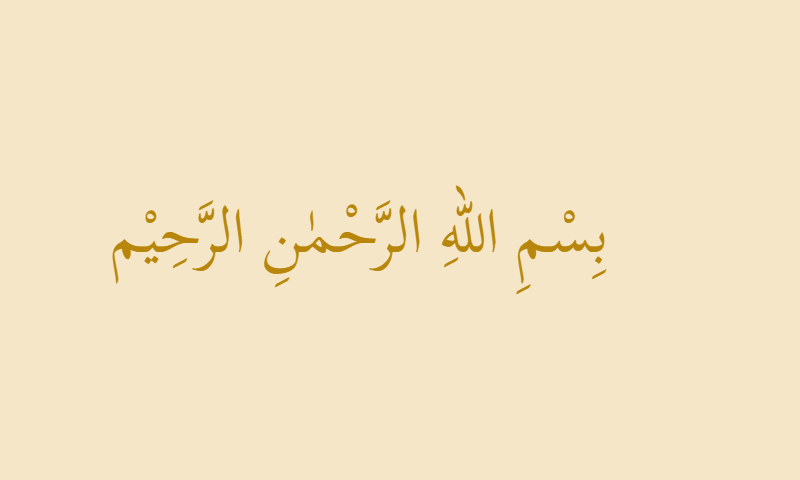
Bismillah al-Rahman al-Rahim (In the name of Allah, the Most Gracious, the Most Merciful) is the opening verse of the Qur'an and the most frequently written phrase in Islamic calligraphy. In Thuluth, its 19 characters flow in a majestic horizontal composition suitable for book title pages, mosque entrances, and framed devotional art. See our full Bismillah in Arabic Calligraphy page for meaning, styles, and download options.
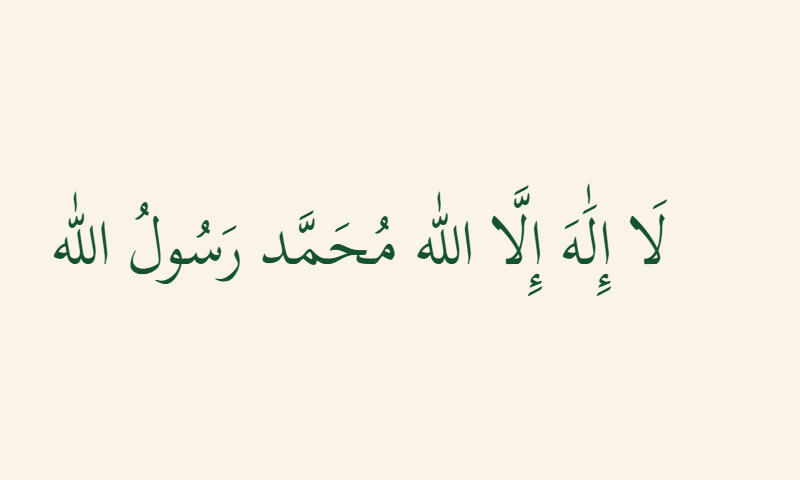
Shahada in Thuluth
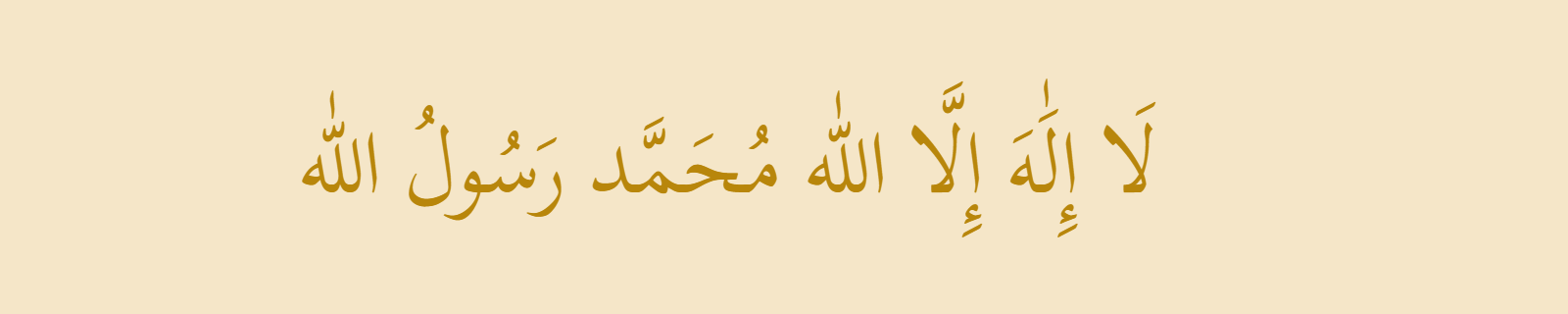
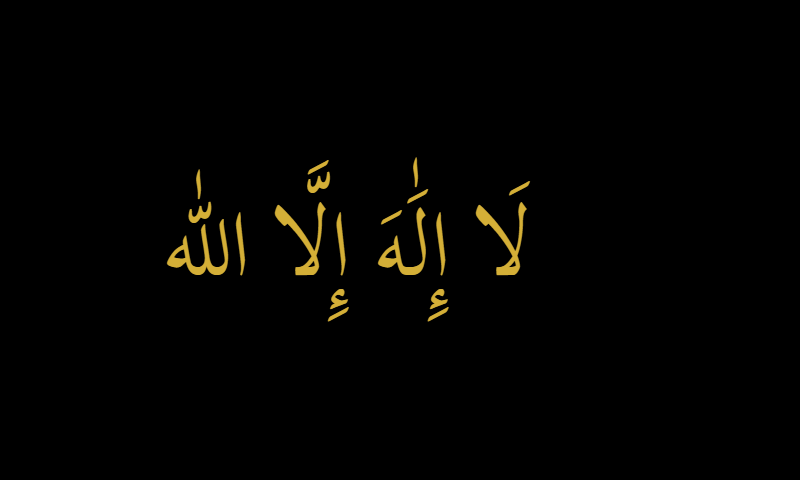
The Shahada — La ilaha illa Allah, Muhammad rasul Allah — is the Islamic declaration of faith and the first pillar of Islam. Rendering it in Thuluth is a foundational tradition of Islamic art; the Ka'aba's interior features the Shahada in Thuluth. See our full Shahada in Arabic Calligraphy page for the full declaration, translation, and pronunciation guide.
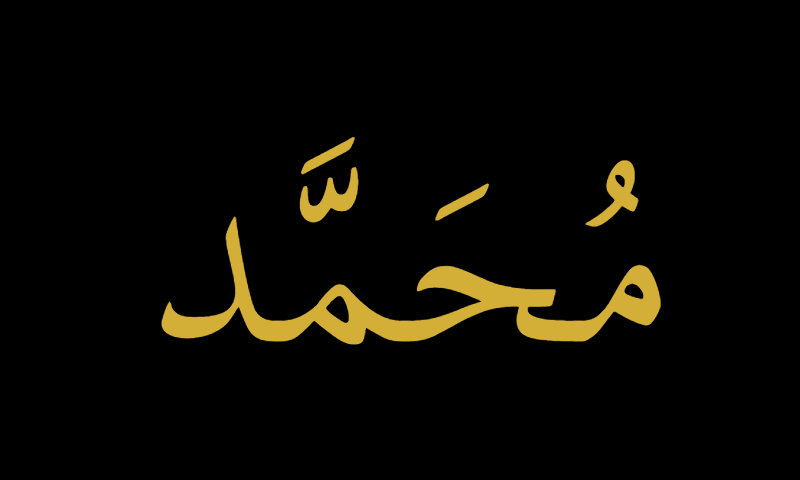
Muhammad in Thuluth
The name of the Prophet Muhammad ﷺ is the most calligraphed name in Islamic art history. In Thuluth, its four letters (م ح م د) form a beautifully compact composition suitable for framed art, name plates, and educational displays. See our full Muhammad in Arabic Calligraphy page for name meaning, Islamic history, and the tradition of writing the Prophet's name.
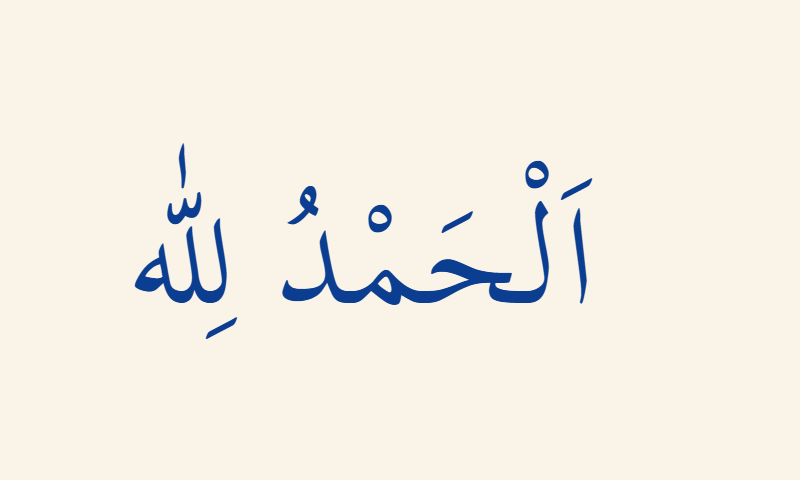
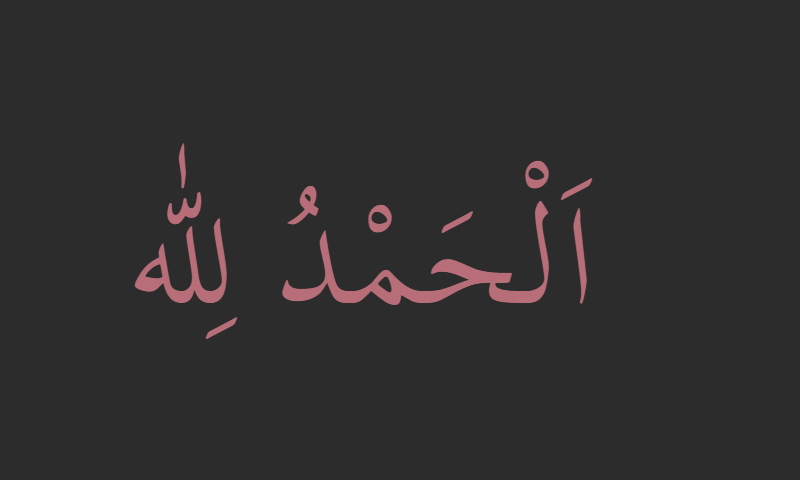
Alhamdulillah in Thuluth
Alhamdulillah — "All praise is due to Allah" — is one of the most spoken Muslim phrases, said dozens of times daily in prayer, gratitude, and after every meal. In Thuluth, its two-word structure balances beautifully. See our full Alhamdulillah in Arabic Calligraphy page for meaning, use cases, and downloads.
Featured Thuluth Calligraphy Designs
20 hand-picked Thuluth calligraphy designs featuring the most common Islamic phrases and names, across a range of colors and backgrounds. Designs refresh on each visit.
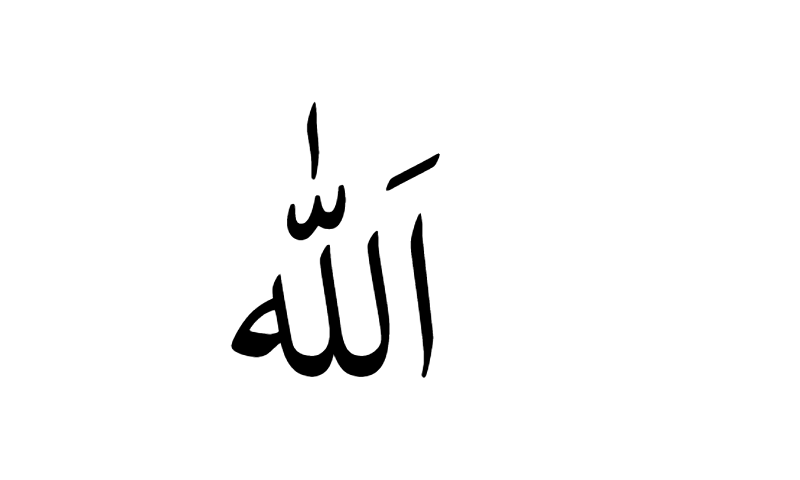
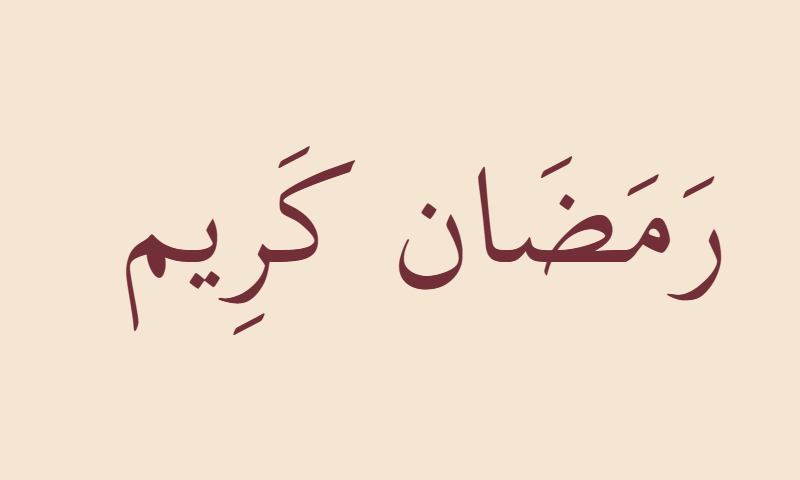
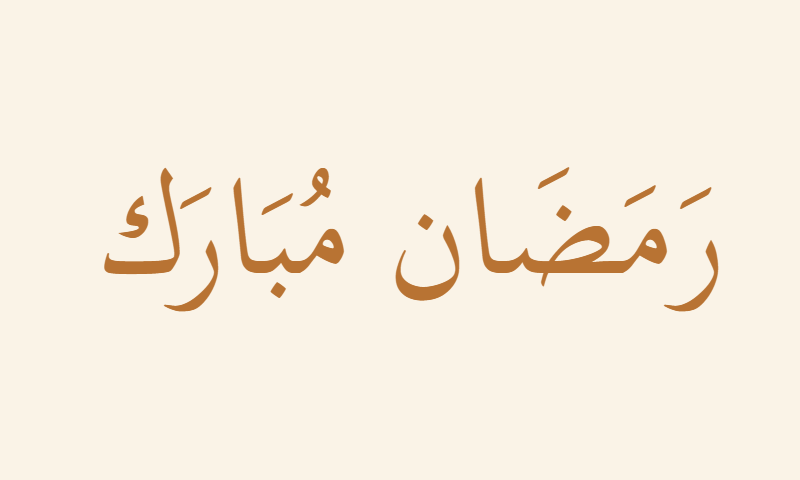
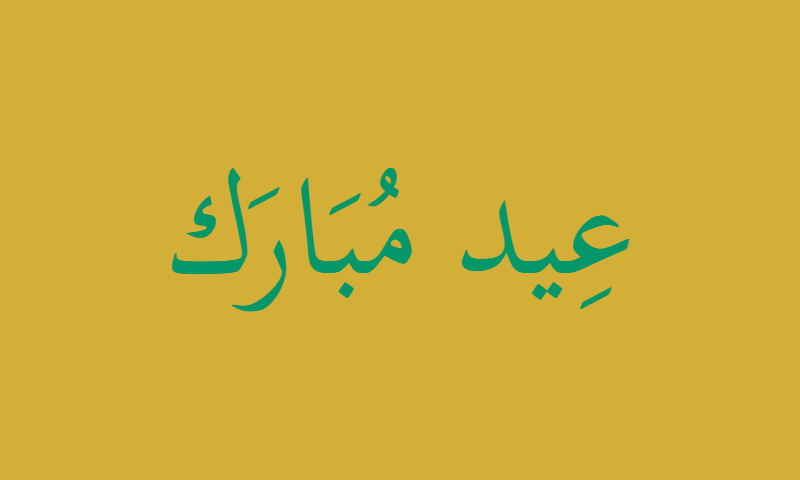
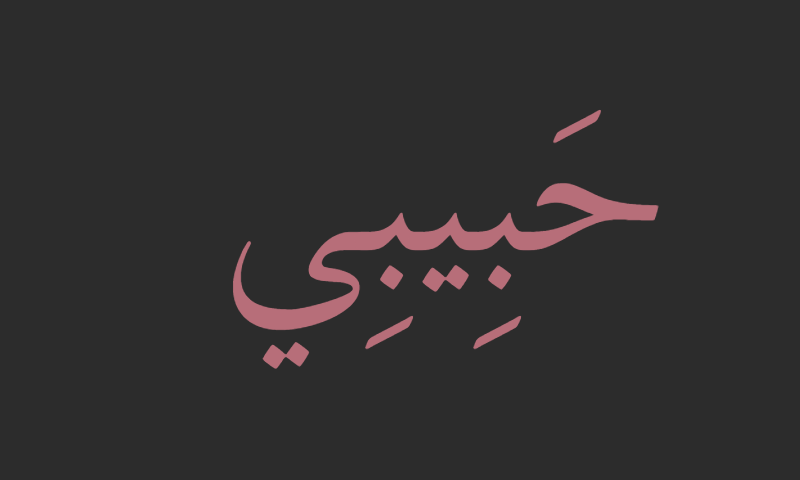
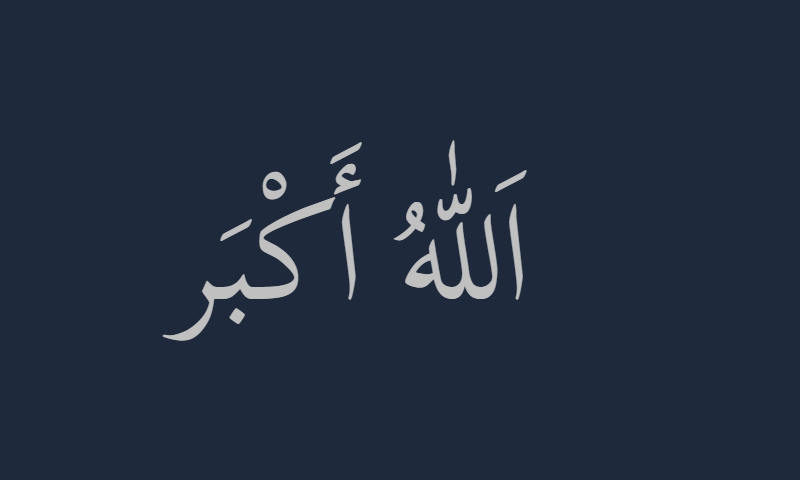
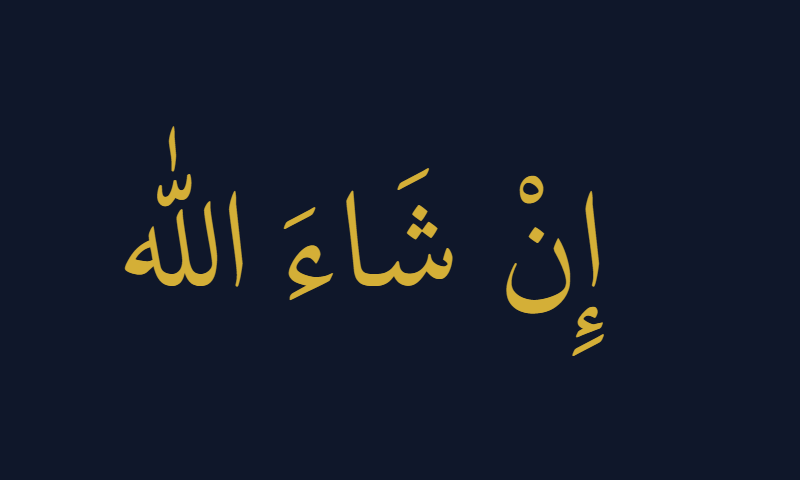
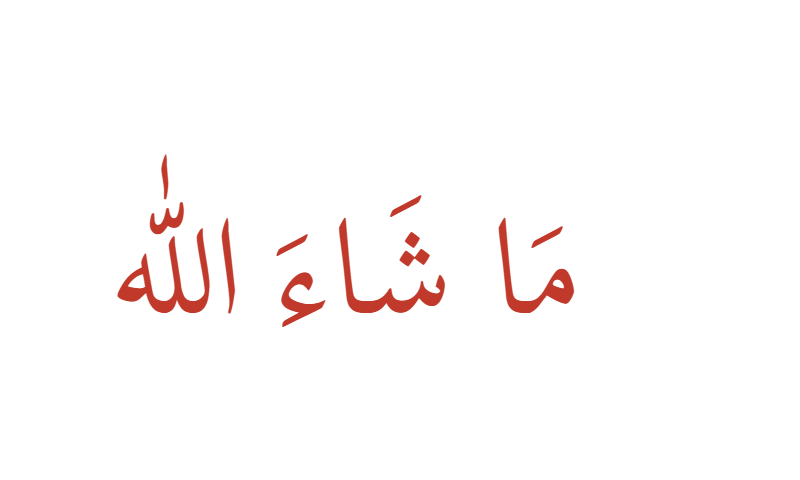
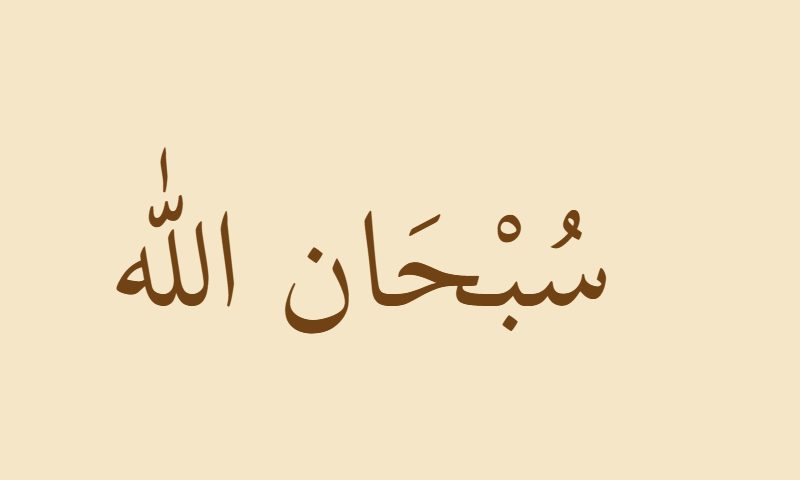
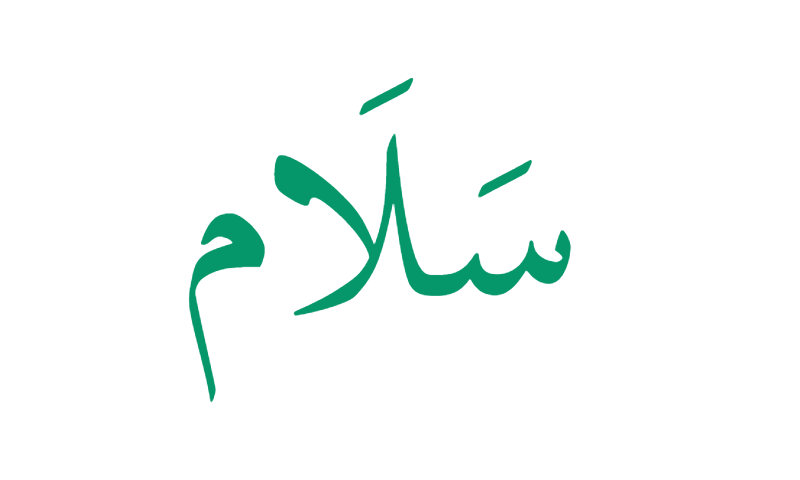
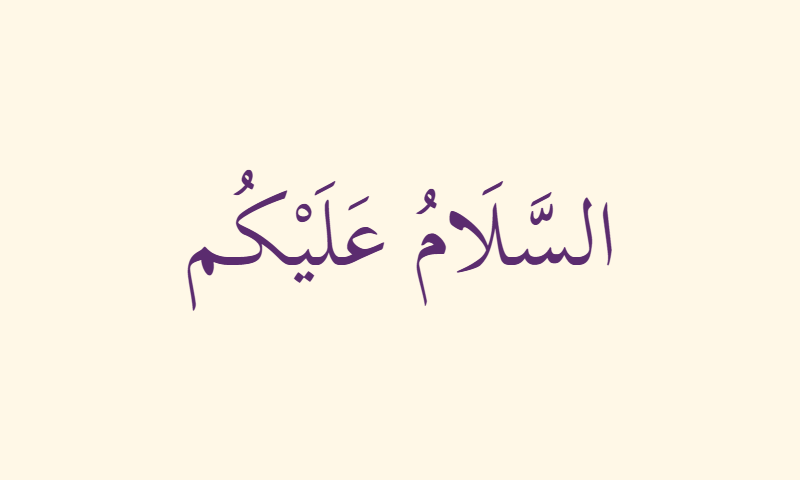
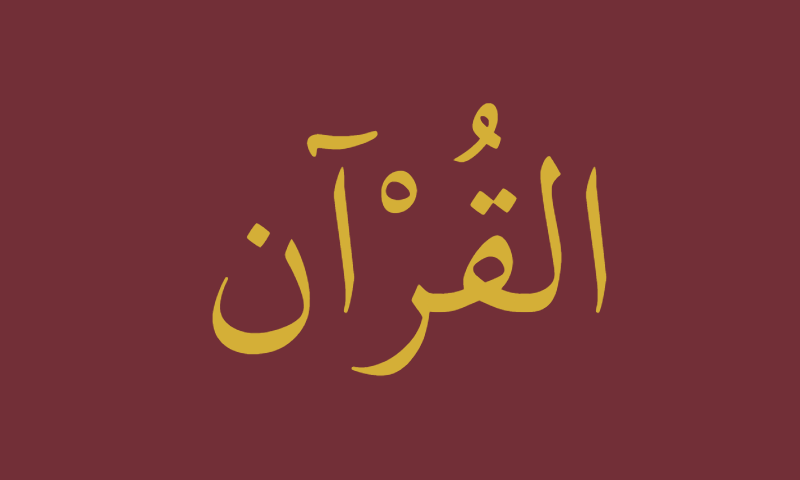
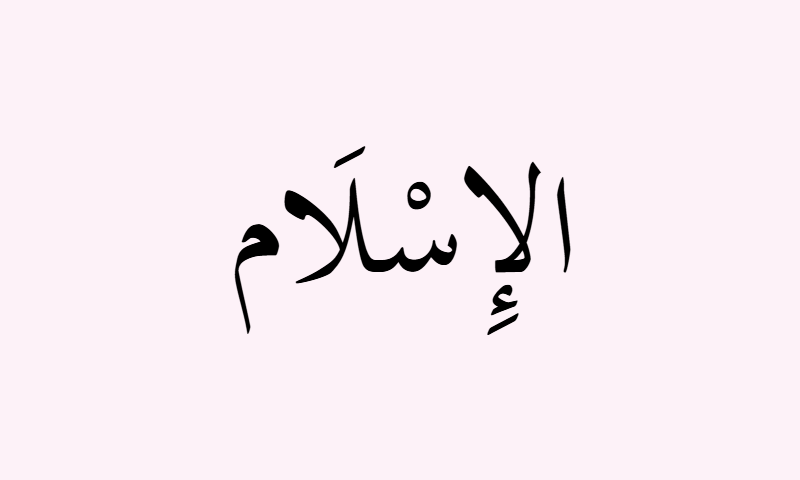
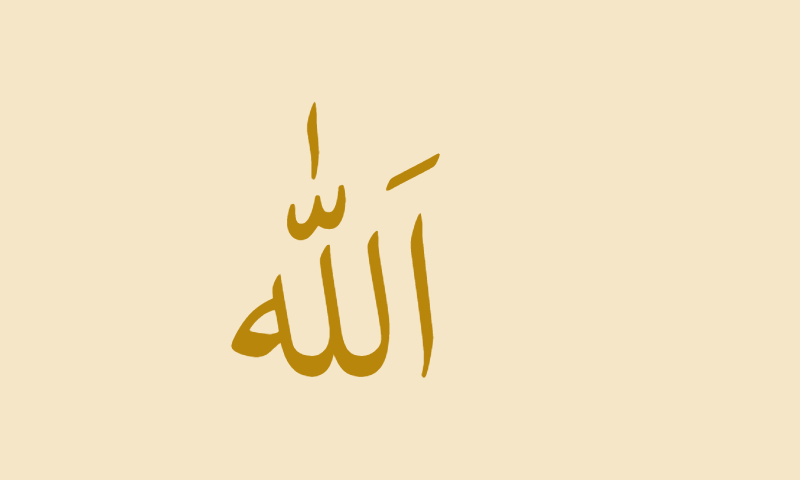
Bismillah · Gold · Formal artAllah · Black · Classic frameMuhammad · Gold · Premium frameShahada · Green · Prayer roomAlhamdulillah · Navy · Home decorRamadan Kareem · Burgundy · CardRamadan Mubarak · Copper · CardEid Mubarak · Emerald · FestiveHabibi · Rose gold · LuxuryAllahu Akbar · Silver · ModernInsha'Allah · Gold · Deep navyMasha'Allah · Red · Blessing cardSubhanallah · Sepia · VintageSalam · Green · Peace printTawhid · Gold · Sacred frameAssalamu Alaikum · Purple · GreetingAl-Quran · Gold · Book coverAl-Islam · Black · EducationalAllah · Gold · ClassicalAlhamdulillah · Rose gold · Frame
Frequently Asked Questions
What is Thuluth calligraphy?
+
Thuluth (خط الثلث) is one of the six classical Arabic scripts and the most historically revered. Its name means "one third" — referring to the width of the reed pen traditionally used to write it. Classical hand-drawn Thuluth is characterized by tall elongated letters, flowing curves, thick-thin stroke variation, and ornate compositional flexibility. It is the script traditionally used in mosque inscriptions, Qur'anic manuscript headings, and formal Islamic art across the Muslim world.
Why is Thuluth called Thuluth?
+
The name comes from the Arabic word thuluth (ثلث) meaning "one third." It refers to the width of the reed pen (qalam) traditionally used to write the script: the pen tip is one-third the width of a full-width classical pen. This proportion produces the thick-thin stroke variation seen in classical hand-drawn Thuluth. Digital fonts like Scheherazade New present a cleaner, more even rendering of the same letter forms — better for on-screen legibility.
What is the difference between Thuluth and Naskh?
+
Naskh (نسخ) is the everyday cursive script — highly legible, compact, and used in modern printed Qur'ans and text. Classical hand-drawn Thuluth is taller and more ornate, reserved for formal or decorative contexts. The two share a common cursive heritage, and modern digital fonts (like Scheherazade New on this page) blend elements of both traditions — clean and readable like Naskh, with the elongated flowing spirit of Thuluth.
Which font renders Thuluth calligraphy on a computer?
+
The best freely available digital font for Thuluth-style rendering is Scheherazade New, designed by SIL International in a clean cursive style rooted in the classical Naskh and Thuluth tradition. It supports full Arabic Unicode with proper ligatures and harakat, and is used by the generator on this page. For ornate hand-drawn classical Thuluth (with dramatic thick-thin contrast), a commercial specialty font or a professional calligrapher would be required — but Scheherazade New is the accessible high-quality free standard.
What is Thuluth calligraphy used for today?
+
Thuluth is used for formal Islamic art including mosque inscriptions, Qur'anic verse displays, framed devotional calligraphy, wedding invitations, prayer room decor, ceremonial names and titles, and any project where classical reverence matters more than compact readability. It is the standard script for the interior of the Ka'aba in Mecca and remains the gold standard for religious and formal Arabic calligraphy worldwide.